Trump's defamation claim against BBC survives dismissal bid
A Florida federal judge allowed the president's defamation claim to continue but dismissed a separate claim under the state's unfair trade practices law.
By Ricardo Brooks ·
US President Donald Trump's defamation lawsuit against the BBC can move forward following a ruling by a federal judge in Florida. Judge Jeffrey Kuntz rejected the broadcaster's attempt to have that claim dismissed, while throwing out a separate allegation brought under Florida's unfair trade practices law as part of the $10bn lawsuit.
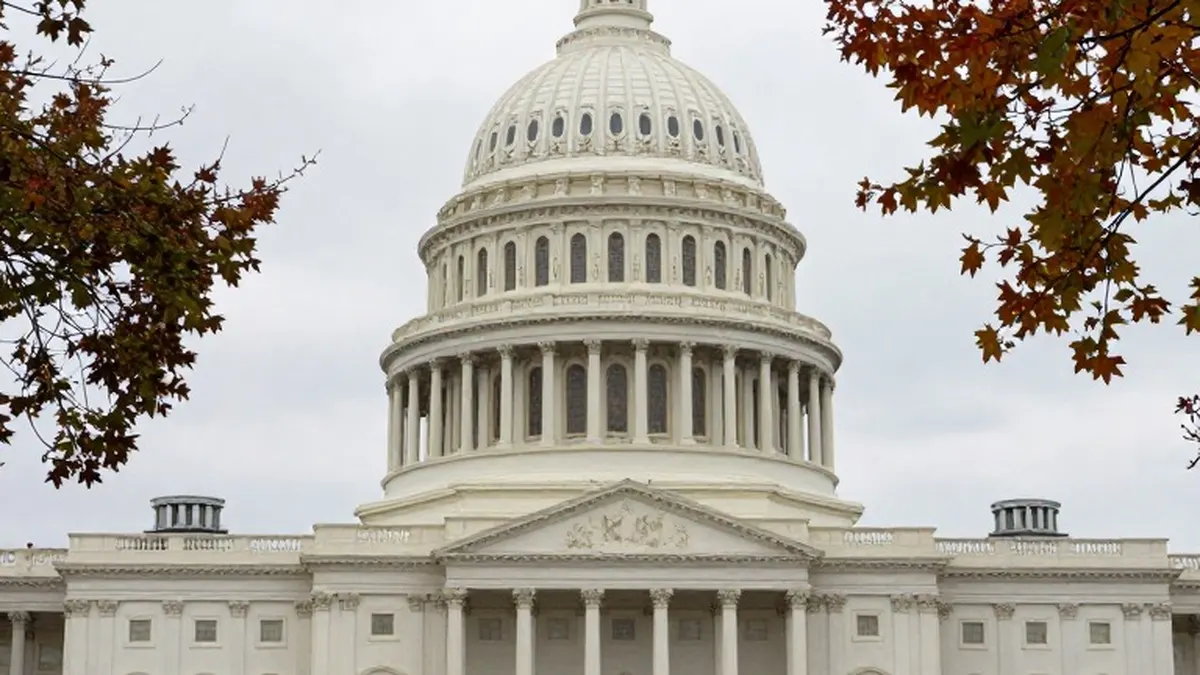
The dispute concerns a Panorama episode that combined passages from different parts of Trump's speech outside the US Capitol on 6 January 2021, before the riot there. Trump alleges that the BBC deliberately and deceptively altered his remarks. The broadcaster apologised for the edit, acknowledging that it wrongly suggested he had explicitly urged violent action.
In his order on Tuesday, Kuntz concluded that Trump's allegations were sufficient to let the defamation case advance. He did not decide whether those allegations were true or whether Trump had suffered damages. Those questions, the judge said, would have to be addressed at summary judgment or trial.
Trump described the decision as a "huge victory" in a Tuesday post on Truth Social. A BBC spokesperson expressed surprise at the ruling but said the broadcaster respected the court's authority and recognised that proceedings would advance. The spokesperson added: "We remain confident in our position and will continue to respond through the proper legal process."
The BBC had sought dismissal on the grounds that the programme did not satisfy the legal requirements for defamation and was unavailable in the United States. Kuntz dismissed Trump's additional claim under Florida's Deceptive and Unfair Trade Practices Act because he found that the documentary was not commercial speech.
The proceedings also involve a dispute over Trump's deposition. Last month, a judge directed him to answer questions under oath by 11 December after he cancelled an earlier deposition, citing "matters of national importance". A BBC lawyer told the court that Trump had been campaigning in Georgia on the scheduled October date and had given that activity priority.
Earlier this year, Trump's legal team acknowledged it lacked evidence supporting its original assertion that US viewers could access the documentary through the BBC's BritBox subscription service. His lawyers also conceded they had no evidence of availability through the BBC website, BBC Select or US broadcasters.
Trump subsequently agreed to remove BBC Studios from the defamation lawsuit. The BBC had argued that its commercial arm was not involved in making or producing the documentary.