Israeli Forces Advance in Central Gaza Amid Truce Tensions
Israeli troops crossed the Yellow Line in central Gaza for the first time since last year's ceasefire, prompting accusations of violation from Hamas and the US-backed truce oversight body.
By Amit Ricci ·
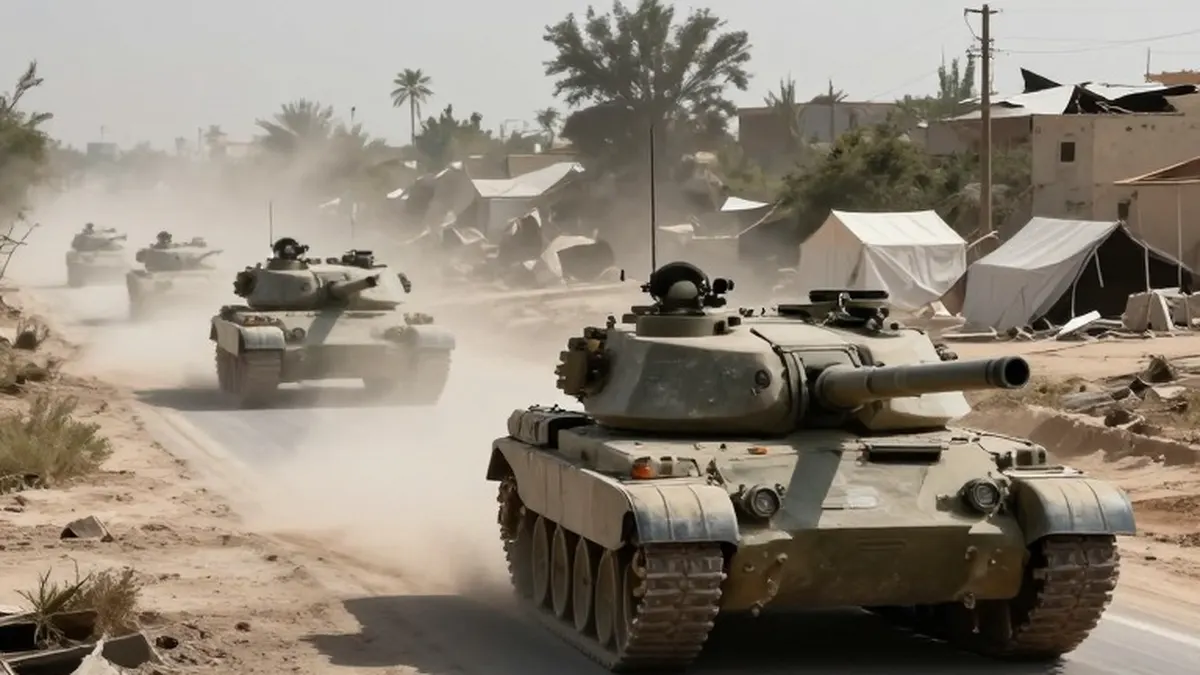
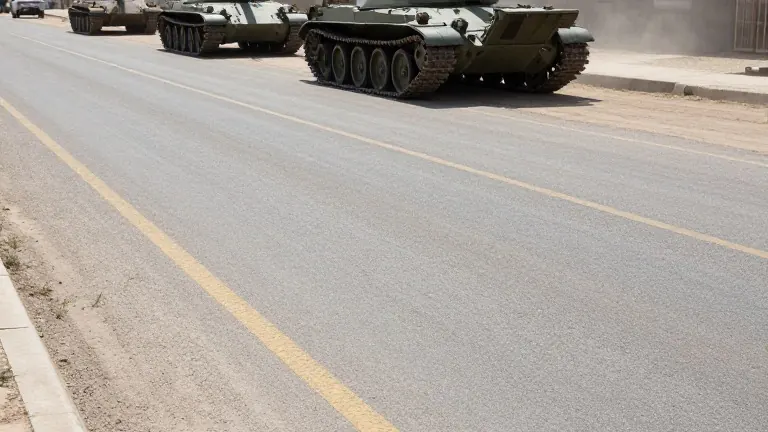
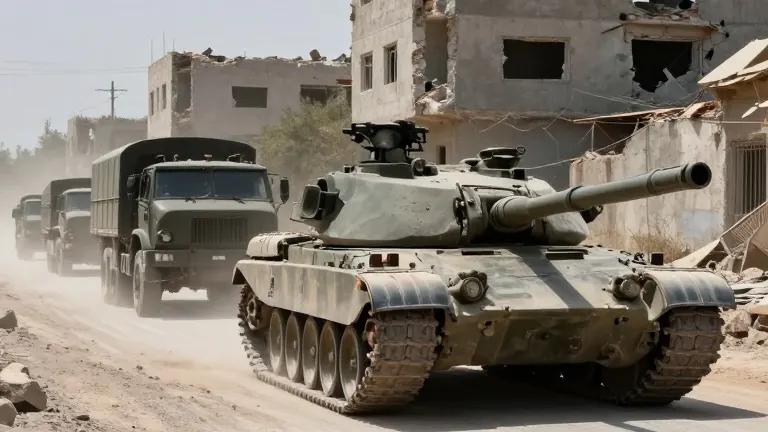
Israeli military forces launched a ground operation in central Gaza on Wednesday, marking a significant escalation in the region. The advance involved tanks moving across the Salahudeen road, the primary north-south artery of the territory. This movement is notable because the area had been left under the protection of a ceasefire agreement established in October 2025.
The operation was described by an Israeli military spokesperson as a targeted action against Hamas infrastructure located west of the Yellow Line. The Yellow Line serves as the demarcation boundary between areas controlled by Israel and those held by Hamas. The Israel Defence Forces stated in a post on X that the mission was designed to dismantle a terror tunnel that posed an immediate threat to troops. Civilians in the vicinity were warned to avoid the area due to the road closure.
The Israel Security Agency and the IDF worked together on this specific raid. While the military said troops remain deployed in accordance with the ceasefire, they emphasized their intent to thwart Hamas attempts to harm civilians or violate the agreement. However, the ground advance represents the first time such a force has traversed the Yellow Line since the truce was signed.
Hamas reacted strongly to the incursion, labeling the raid and the resulting displacement of residents as a dangerous escalation and a clear violation of the ceasefire terms. The Palestinian group accused Israel of attempting to disrupt the US-brokered deal. Israel did not provide an immediate response to these specific accusations. The oversight body for the truce, which is backed by the United States, also criticized both sides for failing to meet their commitments to end the conflict.
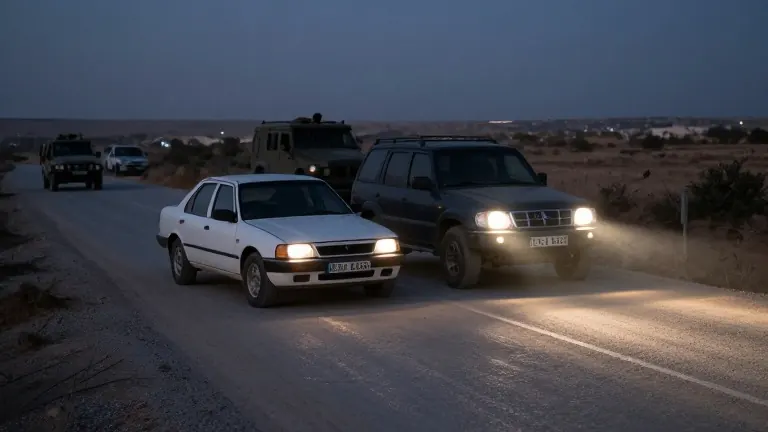
As the operation unfolded, dozens of displaced Palestinians fled their tents and shelters in the central area. Many of these residents had been displaced multiple times since the war began in 2023. Fearing a larger offensive, they packed their belongings onto bicycles, wheelchairs, and motorcycles to escape the zone. One resident, Salam Aql, noted that while the military ordered them to leave, many wanted to stay due to exhaustion from repeated displacements.
Residents reported hearing tank shells during the advance. Palestinian medical sources indicated that one person was killed in an Israeli strike near the site of the raid. In separate incidents, two more individuals were killed by Israeli fire, with one death reported in Gaza City and the other in Deir al-Balah. The Israeli military confirmed a militant was hit in Gaza City but stated it was not aware of any incident in Deir al-Balah.
The broader context of the conflict remains tense. Israel claims that Hamas has been regrouping and rearming recently, which has led to an increase in attacks against the group. The ceasefire agreement, which left Israeli troops in control of well over half of Gaza, has seen the military's control expand to around two-thirds of the territory. Hamas currently holds a smaller strip of land along the coast.
The ground operation in Gaza coincided with other regional developments. Iran targeted a US air base in Kuwait and launched attacks on Bahrain, appearing to retaliate for American strikes conducted the previous day. Additionally, Yemen's Houthi forces targeted Saudi Arabia's King Khalid International Airport and the financial center in Riyadh with cruise missiles on Wednesday evening.
These concurrent events highlight the interconnected nature of the conflicts in the Middle East. The movement of Israeli troops in Gaza, the strikes in the Gulf, and the missile attacks on Saudi Arabia all occurred within a short timeframe, underscoring the volatility of the region as the truce faces ongoing challenges.
The situation in central Gaza remains fluid as both sides navigate the complexities of the ceasefire. The US-backed oversight body continues to monitor the situation, hoping that both Israel and Hamas will return to their commitments. For now, the displacement of civilians and the tactical shifts on the ground suggest that the path to a lasting peace remains complicated.