Israeli Surgeons Perform Robotic Lung Transplant Without Fully Opening Chest
A team at Clalit-Beilinson Hospital completed a robotic-assisted lung transplant through small incisions, an approach doctors say sharply cut the patient's pain and recovery time.
By Ricardo Brooks ·
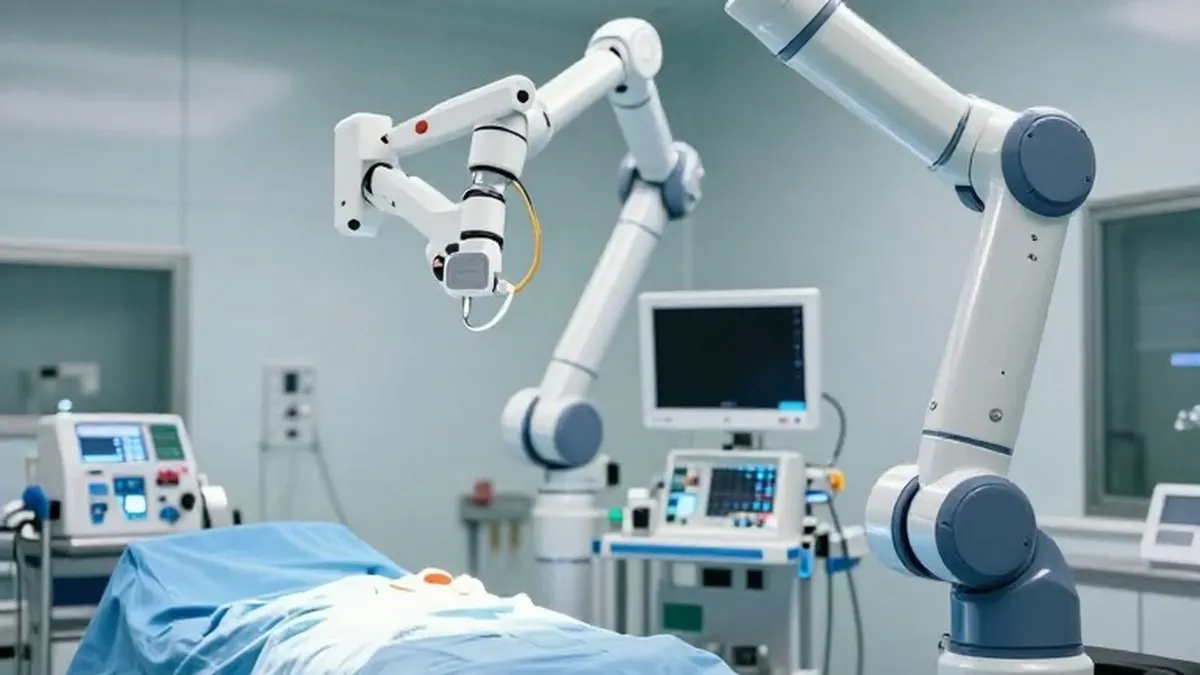
Surgeons at Clalit-Beilinson Hospital in Israel have successfully performed a robotic-assisted lung transplant without fully opening the patient's chest, a break from the way such operations are conventionally carried out.
In a conventional lung transplant, surgeons cut through the chest bone, open the chest cavity completely and spread the ribs apart in order to reach the lungs. That approach can leave patients with severe postoperative pain, shallow breathing and difficulty clearing secretions from the lungs.
Those complications raise the risk of infection and contribute to a long and difficult recovery period for transplant recipients.
The new robotic method requires only small incisions in the chest, through which robotic technology connects the transplanted lung to the patient's blood vessels and airways.
The procedure demands extensive advance preparation and specialized training for the dozens of medical professionals involved. It has been performed only about 20 times worldwide since the first such operation was carried out in Spain three years ago.
"Robotic lung transplantation represents a turning point for lung transplantation in Israel. After decades of relying on the traditional approach, which involved significant pain and numerous complications, we have succeeded in bringing a genuine revolution to Israel," said Dr. Yury Peysakhovich, director of the Thoracic Surgery Department at Clalit-Beilinson Hospital.
According to Peysakhovich, robotic lung transplantation could become the accepted standard of care within five years.
Dr. Dan Gorfil, director of the Cardiothoracic Surgery ICU at the hospital, highlighted what the technique means for recovery after surgery. He explained that one of the greatest challenges following a transplant is managing the severe pain patients typically experience.
"The recovery of the patient who underwent robotic-assisted transplantation exceeded all our expectations. He required almost no pain medication beyond paracetamol. This contributed to a shorter stay in intensive care and reduced his overall hospitalization time," Gorfil said.
Source: The Jerusalem Post