Reintroduction: Fifty-three frogs return to Victoria
Amphibians rescued as tadpoles during the 2019-20 bushfires were released into East Gippsland after a five-year conservation effort.
By Amit Ricci ·
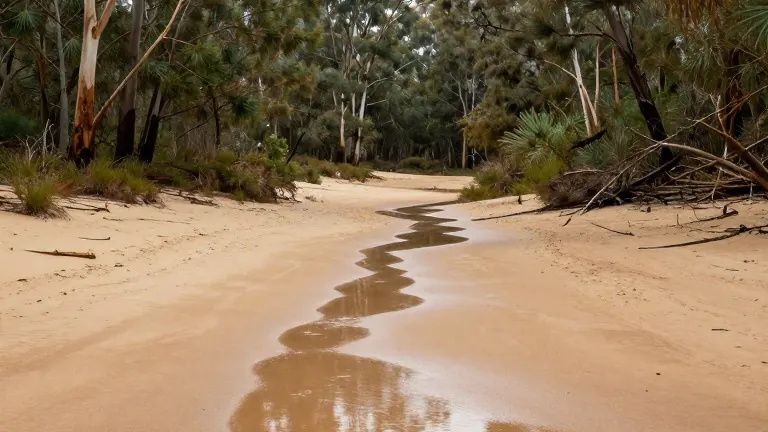
Residents of eastern Victoria will soon share their remote landscapes with a species that was nearly lost in the region. Fifty-three adult southern giant burrowing frogs were released into the wild on November 4, marking the culmination of a multi-year rescue operation. These amphibians were originally gathered as tadpoles in the aftermath of the severe bushfires that swept through the area during the 2019-20 black summer.
The conservation team collected approximately 160 tadpoles from temporary water sources in East Gippsland following the fires. Because the species is naturally cryptic, locating these larvae proved difficult. The tadpoles were transported to Melbourne Zoo, where staff raised them to adulthood. The facility also achieved the first successful captive breeding of the species in 2025, a milestone that allowed for the expansion of the population.
Matt Clancy, a herpetologist with Snowline Ecology, described the physical characteristics of the frogs. He noted that they can reach the size of a cricket ball and possess long lifespans. Clancy compared them to green tree frogs, stating that they can live for more than 20 years. Despite their size, the animals remain elusive because they spend most of their time buried in sandy soil or dense forest floors, emerging only when rain triggers their activity.
The release date was chosen to align with favorable weather patterns. Clancy confirmed that the frogs were introduced into the wild immediately after a series of severe thunderstorms. The specific sites in the remote eastern region had received between 80 and 100 millimeters of rain in the preceding weeks. This moisture level created the necessary conditions for the amphibians to establish themselves in their new habitat.
Ryan Moes, an amphibian keeper at Zoos Victoria, explained the logistical reasoning behind the release. Genetic testing was performed on the original group of tadpoles to ensure diversity within the breeding stock. Moes stated that it is essential to prevent siblings from breeding together in a captive program. Consequently, the individuals not selected for the breeding colony were raised to full adulthood before being returned to their native environment.
To track the success of the reintroduction, researchers tagged each of the 53 frogs prior to their release. Song meters were also installed at the designated sites. These devices are designed to detect the specific calls of the frogs, allowing scientists to monitor their presence and activity levels without constant visual observation. The data collected will inform future management strategies for the population.
The southern giant burrowing frog was officially designated as a distinct subspecies in 2021, separate from its northern counterpart. Both groups have suffered from habitat loss and extreme climate events. Moes pointed to more frequent bushfires, prolonged droughts, and reduced rainfall as ongoing threats to the species' survival. In Victoria, only five known breeding sites remain for the southern subspecies. These locations consist of ephemeral creeks and ponds that fill only under specific environmental conditions. Tadpoles require between three months and two years to complete their metamorphosis, typically emerging as juveniles in spring or summer.
Source: The Guardian