Iraq rejects troop movement reports as dispute with Kurdish region intensifies
Baghdad has denied reports of army movements towards Kurdistan as a court ruling supports federal control over borders, oil operations and revenues.
By Olga Menon ·
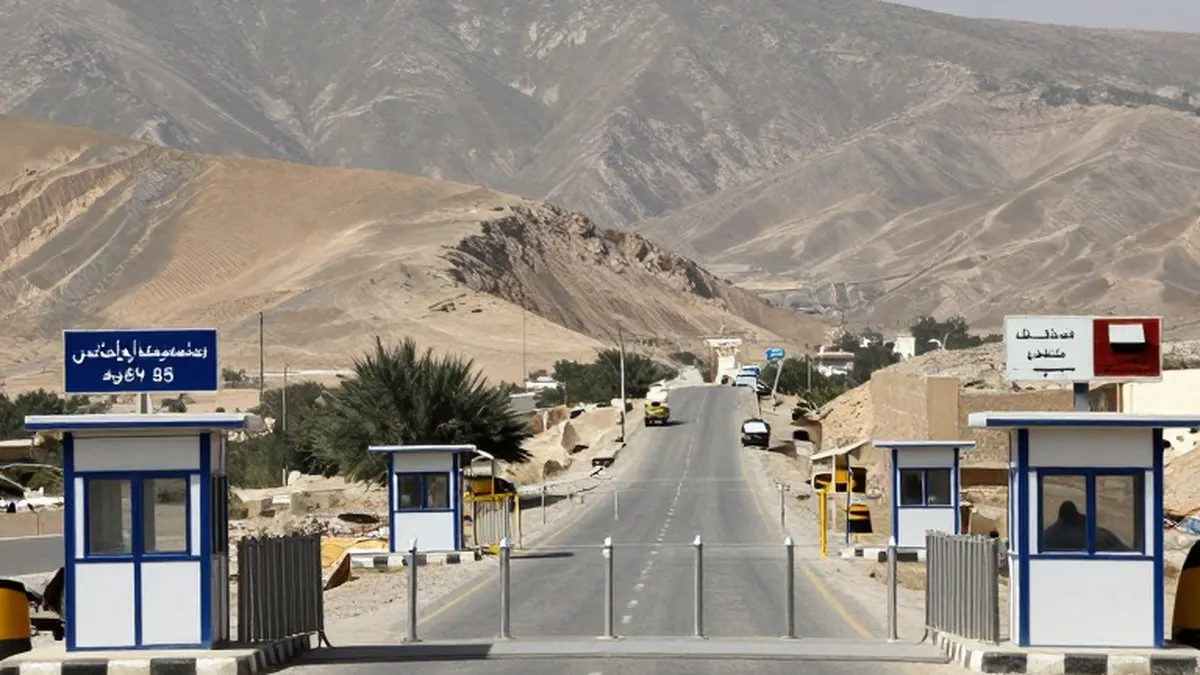
Iraq’s government has rejected local media reports that army units were heading towards the Kurdistan region, amid an escalating dispute over control of border crossings and oil operations. The denial came as the Federal Supreme Court affirmed Baghdad’s authority over those areas, while thousands protested in Erbil on Thursday, November 26.
Speaking to state broadcaster Al-Iraqiya on Wednesday, government spokesperson Haidar al-Aboudi said there was “no truth” to the reports of troop movements. He accused oil smugglers of directing “tens of billions” into private pockets and accounts, and said the dispute did not concern the salaries of public employees in Kurdistan.
Prime Minister Ali al-Zaidi has instructed the Border Ports Authority to assume control of every crossing in the Kurdish region and shut unofficial routes. He also directed federal authorities to take over oil fields held under Kurdish security control in Kirkuk, Nineveh, Salahuddin and Diyala. Describing national sovereignty as indivisible, al-Zaidi said the state would eliminate all forms of smuggling as part of its effort to protect Iraq’s wealth.
In an interpretive ruling, the Federal Supreme Court confirmed federal authority to protect international borders and deploy armed forces throughout Iraq. It also upheld Baghdad’s powers to supervise border crossings, including those in Kurdistan, oil and gas production and exports, and revenues from both oil and other sources. Border Forces Commander Mohammed Abdul Wahab Sukkar al-Saidi told the Iraqi News Agency on Thursday that implementation of the order to close unofficial crossings with neighbouring countries had begun. He gave no figure for the crossings affected.
Kurdish leaders opposed Baghdad’s approach. The Kurdistan Regional Government’s council of ministers, chaired by Prime Minister Masrour Barzani, rejected attempts to restore a centralised system in Iraq. Kurdistan Region President Nechirvan Barzani said addressing the region in military terms would not resolve the problems.
Thousands gathered in Erbil, the Kurdish region’s capital, on Thursday against the planned federal takeover of crossings and oil operations. Al Jazeera correspondent Mahmoud Abdel Wahed reported that protesters viewed the measures as undermining Kurdish constitutional rights and encroaching on their sovereignty and territorial integrity. Separately, correspondent Suhaib al-Asa said Baghdad estimates that between 200,000 and 230,000 barrels of oil are smuggled daily, with a monthly value of about $200m.
Constitutional law and political systems researcher Salim Zakhour told Al Jazeera that the court issued its ruling within 24 hours of al-Zaidi’s request, providing a legal basis for Baghdad to act. Although the decision was final, he said, the dispute also presented a political problem. Iraq’s four presidencies have agreed to convene a national dialogue on December 1 to address the crisis.
The government’s orders came after an investigation into smuggling at the state-run North Oil Company. Following that inquiry, al-Zaidi dismissed eight officials, among them Kirkuk’s police chief and operations commander.