Iran asserts military superiority as Strait of Hormuz remains blocked
Iranian military officials declared their forces stronger than at the war's start, while the country's foreign minister engaged in extensive diplomatic outreach and the US offered a bounty for intelligence on Tehran's nuclear program.
By Ricardo Brooks ·
Iranian army spokesperson Mohammad Akraminia stated on Saturday that the nation's armed forces are currently operating on a higher alert level and possess greater strength than they did when the conflict with the United States began. Speaking to the official IRNA news agency, Akraminia emphasized that the troops now exhibit increased motivation, commitment, and self-confidence.
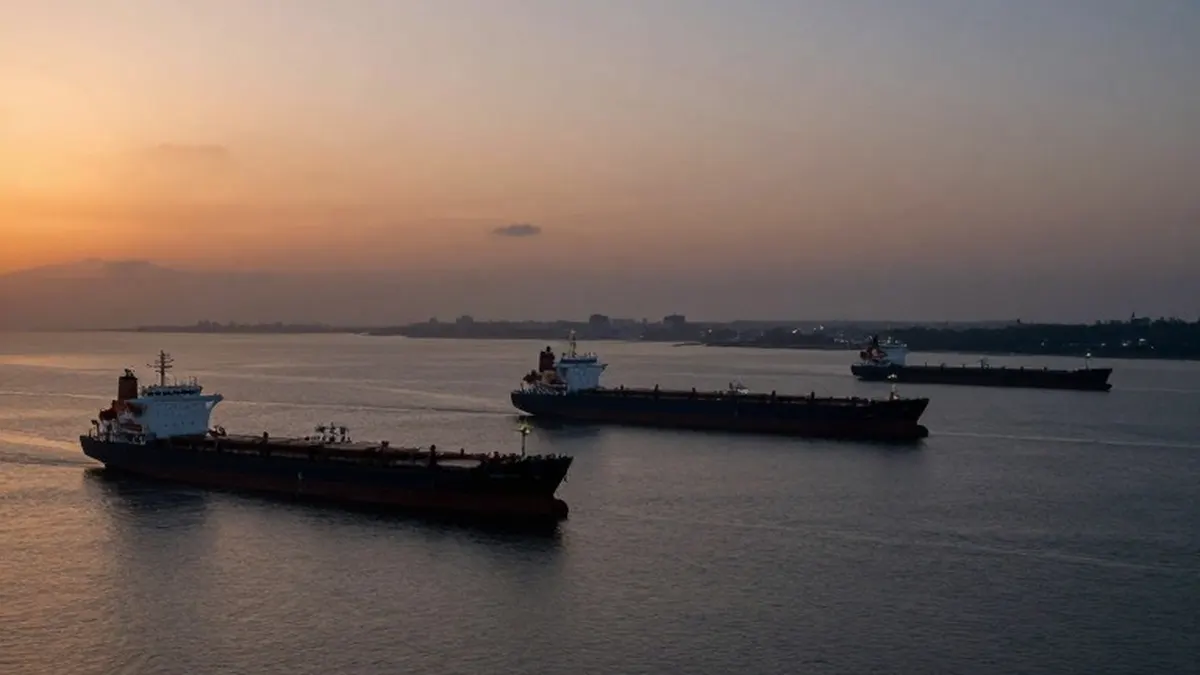
The spokesman further clarified that the Strait of Hormuz will remain closed until Washington satisfies Tehran's specific demands. He noted that, under the direct order of the Supreme Leader, any response from the armed forces will be immediate, effective, and free from geographical limitations.
In a separate statement to the Fars news agency, Hossein Mohebbi, the spokesperson for the Islamic Revolutionary Guard Corps, highlighted ongoing advancements in Iran's missile capabilities. He reported that the range of the country's missiles is continuing to expand in a steady manner.
Diplomatic efforts have also intensified in parallel with military assertions. Foreign Minister Abbas Araghchi revealed on Instagram that he had conducted phone calls with counterparts from twelve different nations over the preceding 48 hours. These discussions included leaders from Saudi Arabia, Qatar, Turkey, Egypt, Iraq, and Pakistan.
During these conversations, Araghchi stressed the legitimate right of Iran to defend its sovereignty and national security. He called for the establishment of regional security arrangements that operate without the interference of superregional powers, aiming to stabilize the geopolitical landscape.
High-level diplomatic contact also occurred between the United States and the Gulf. US President Donald Trump held a telephone conversation with Qatar's Emir, Sheikh Tamim bin Hamad Al Thani, on Friday. The two leaders discussed ongoing efforts to bring an end to the war between the two nations.
While diplomatic channels remain open, the US military took a distinct action on Friday to target Iran's nuclear infrastructure. The US government offered a $20 million reward, along with the possibility of relocation, for information regarding Iran's nuclear program.
The US Rewards for Justice program issued a statement confirming the government's continued commitment to countering any attempt by Iran to develop a nuclear weapons program. The announcement invited individuals with information on Iranian nuclear personnel or technologies to submit their tips to the agency.
The combination of these military, diplomatic, and intelligence efforts highlights the multifaceted nature of the current conflict. As Iran projects strength through its military command and missile development, it simultaneously engages in broad regional diplomacy while facing targeted US incentives to reveal details of its atomic activities.
The situation in the Strait of Hormuz remains a critical flashpoint. With the waterway closed pending the fulfillment of Tehran's demands, global energy markets and regional logistics continue to be affected by the standoff. Both sides appear to be preparing for a prolonged engagement while seeking opportunities for diplomatic resolution.