Greenpeace seabed barrier raises questions for £12bn North Sea windfarm plans
Boulders placed off Norfolk to deter bottom trawling could complicate a planned offshore wind project, although Greenpeace disputes that they present a serious obstacle.
By Amit Ricci ·
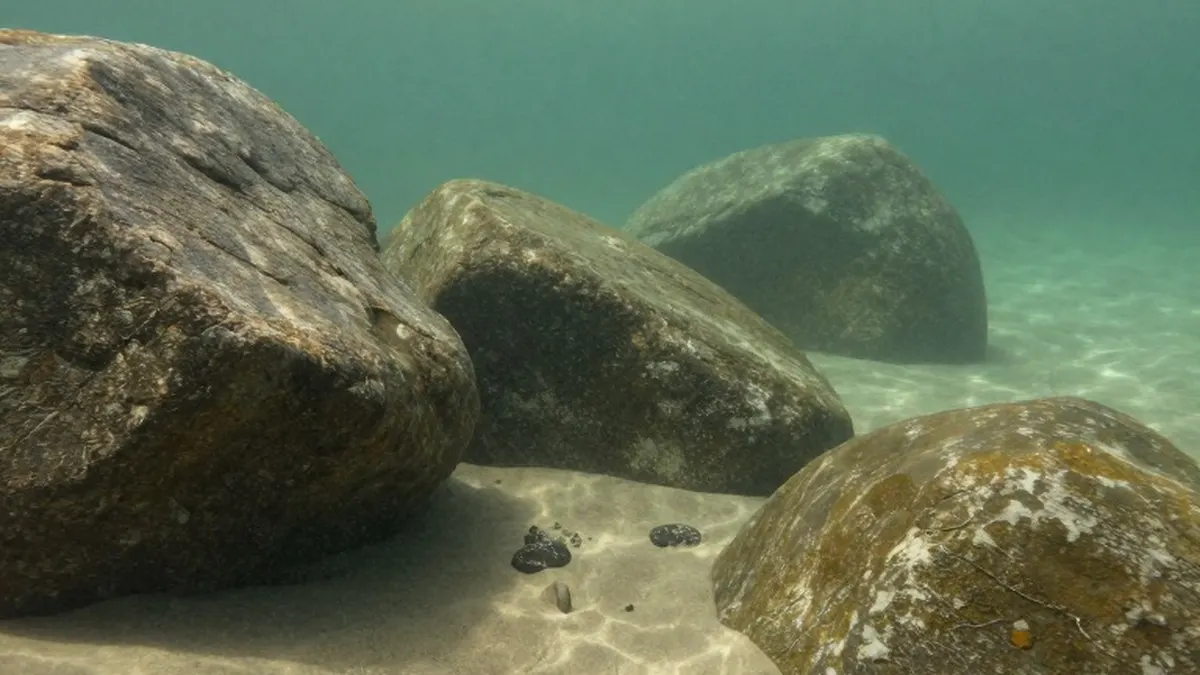
A Greenpeace campaign to protect harbour porpoises in the North Sea could create an additional challenge for offshore windfarms backed by Andy Burnham this week. Activists placed about 15 tonnes of boulders on the seabed off Norfolk, with most landing within the area designated for the Norfolk Vanguard development, one of the UK’s largest planned wind projects.
The stone blocks, weighing up to 2 tonnes each, were intended to obstruct bottom trawling. Greenpeace began placing them without consent from the marine authority days before the prime minister announced at the Cop31 summit that the UK would commit £1bn in public funding to the Vanguard West and Vanguard East windfarms. The commitment is believed to be the largest UK investment of its kind.
According to the Guardian, Greenpeace checked for existing underwater cables, pipelines and shipwrecks before dropping the stones, but did not know about plans for the Vanguard East windfarm. The campaign targeted an area described as among the most heavily trawled parts of the southern North Sea.
The barrier’s installation was scheduled around the premiere of the BBC documentary Blue Planet III, narrated by Sir David Attenborough. Some stones carry signatures from celebrity supporters, including Simon Pegg and Benedict Cumberbatch. Both have lent their voices to marine conservation documentaries and agreed to back the campaign.
The boulders are nevertheless likely to be taken away within months. Renewable energy developers have agreed a £12bn deal alongside the UK government, with construction of the offshore windfarm due to start in 2027. Industrial fishing, including bottom trawling, is also likely to shift away from the construction area.
The Guardian understands that German utility RWE, the offshore wind developer, is discussing the stones’ exact locations with Greenpeace so it can update seabed surveys begun last summer. It is examining possible consequences for construction and underwater cables. An RWE spokesperson called the discussions “constructive” and said the company was continuing to assess the precise implications for Norfolk Vanguard East.
Greenpeace UK co-executive director Will McCallum dismissed suggestions that the barrier posed a genuine obstacle as “absurd”. He said offshore wind companies regularly relocate naturally occurring seabed boulders, some weighing 10 times as much as those Greenpeace deposited. He reiterated the organisation’s support for offshore wind and argued that, until construction takes place, the stones would protect the seabed in the protected area from destructive bottom trawling.