Germany allocates additional €200 million for Ukraine's winter needs
Berlin has approved new funding to help Ukraine maintain energy, heating, and water services during the approaching winter.
By Ricardo Brooks ·
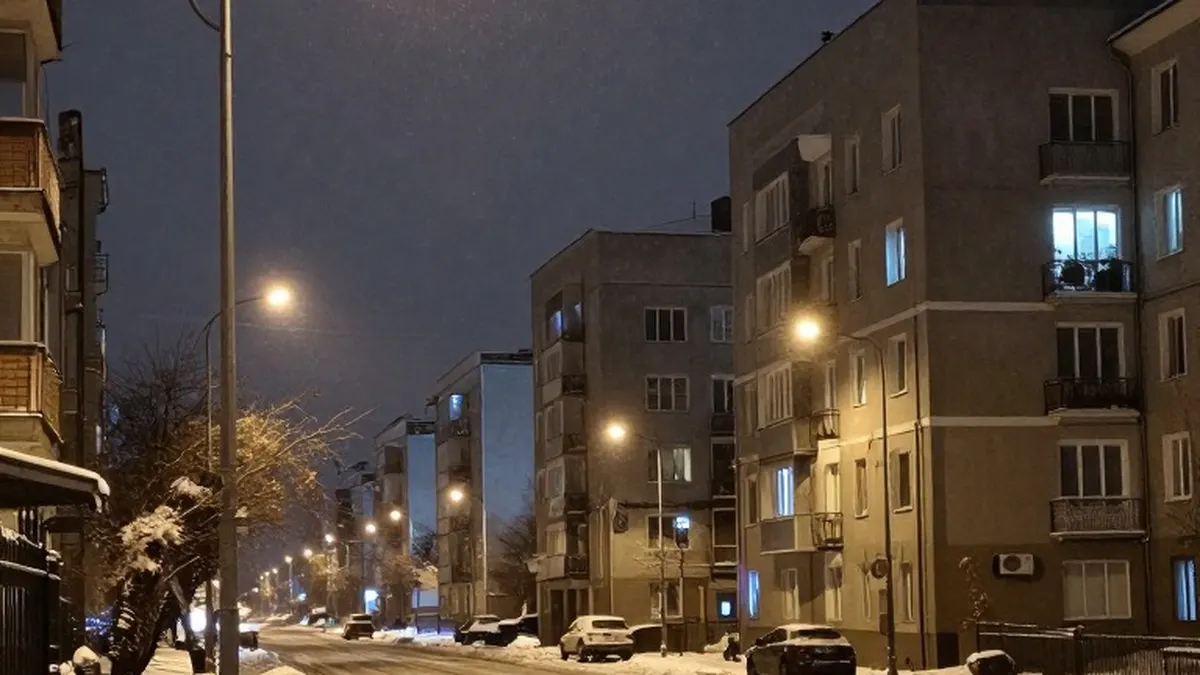
Germany has committed an additional €200 million in winter aid to Ukraine. The new funding is designed to bolster support for electricity generation, heating systems, and water supply networks. These measures come as Russian forces continue to launch attacks on civilian infrastructure in the eastern and southern parts of the country.
The decision was formalized on November 13, 2026, when the Budget Committee of the German Bundestag approved the allocation. The German government emphasized that the aid is critical as winter approaches. Officials stated that Ukraine urgently requires this assistance to ensure its population has access to essential supplies. The support aims to maintain vital energy and water services amidst what Berlin describes as intensified Russian strikes on civilian targets.
German Foreign Minister Johann Wadephul commented on the strategic significance of the funding. He noted that Russia's targeted attacks on Ukraine's civilian infrastructure lead to a clear conclusion. According to Wadephul, Moscow believes that the winter cold is on its side, suggesting a preference for the status quo over serious negotiations. He argued that this strategy would ultimately fail because President Vladimir Putin continues to underestimate the resilience of Ukraine and its international partners.
In this acute emergency, the Federal Foreign Office is providing further humanitarian aid. Wadephul explained that the ministry is supporting families in need and ensuring vital access to heating and drinking water. The efforts also include helping to maintain healthcare services. The minister stated that the message to Ukraine is clear: Germany stands with the country and will continue to strengthen it for as long as it takes.
Development Minister Reem Alabali-Radovan also highlighted the importance of the new funds. She stated that Russia intends to make Ukraine uninhabitable, a goal she said must not be achieved. Alabali-Radovan noted that while the war brings cold, death, and fear, German support helps provide warmth and electricity. She described the aid as a sign of solidarity and a contribution to security in Europe, helping ensure that Ukrainians can continue to live in their country.
The funds are drawn from the crisis fund of the Federal Ministry for Economic Cooperation and Development, known as BMZ. These resources will finance specific projects in electricity, heating, and water supply. Additionally, the money will support schools, kindergartens, agriculture, and disaster response efforts across the affected regions.
This German contribution is part of a broader wave of European support for Ukraine's energy sector. Denmark has announced it will provide an additional €20 million in grant funding to support Ukraine's energy infrastructure. Meanwhile, the Norwegian government announced in late October that it would allocate 500 million kroner, approximately €48 million, in energy support for Ukraine ahead of the winter months.
The combined efforts from these nations reflect a coordinated approach to sustaining Ukraine's civil services during the colder months. As the war enters another winter phase, European partners are focusing on keeping lights on and homes warm to support the civilian population and the broader economy.
The approval of this funding marks a significant step in Germany's ongoing commitment to Ukraine. By targeting critical infrastructure, the aid aims to mitigate the immediate impacts of Russian attacks and maintain the standard of living for Ukrainian citizens during the winter season.