Green skills and circular models drive new business strategies
Global industries are increasingly hiring for environmental expertise, with artificial intelligence and textile recycling emerging as key sectors for sustainable growth.
By Olga Menon ·
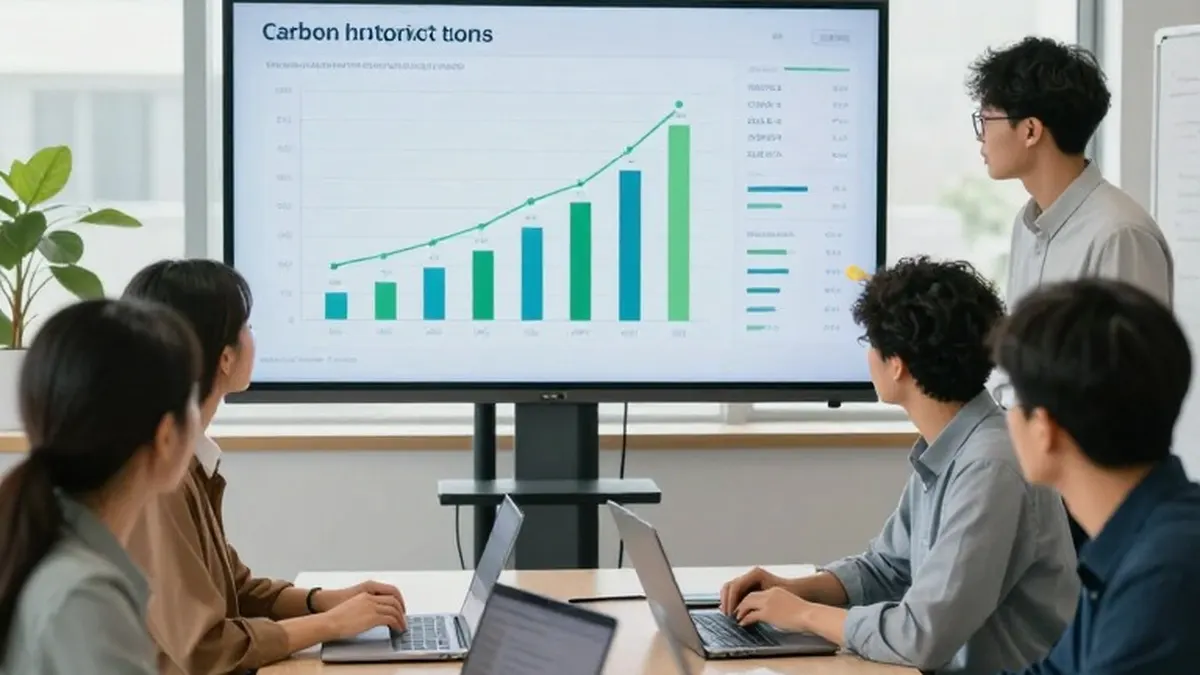
Industries around the world are actively working to lower their carbon footprints and adopt more sustainable practices. A significant part of this effort involves hiring employees who possess specific environmental credentials. According to the LinkedIn Global Green Skills Report 2026, workers with these specialized green skills are being hired at a rate more than 1.5 times higher than the average workforce.
Sue Duke, LinkedIn's Managing Director for EMEA and LATAM, defines green skills as abilities that make economic activities more sustainable. This is typically achieved by conserving natural resources or removing pollution. Duke notes that operational efficiency is the fastest-growing green skill this year. This trend is driven by the fact that many workers are applying these skills in core green roles, while a wide range of other professionals are integrating them into traditional jobs that were not previously considered green. This group includes construction workers, sales assistants, and financial professionals.
The younger generation is showing particular enthusiasm for addressing climate change in professional settings. Duke highlights a strong desire among younger workers to get involved in this sector. She points out that fully six in ten Gen Z individuals say they want to work in a job that helps combat climate change. In response, she urges businesses and governments to establish training programs for young workers. The goal is to help them acquire these green skills and activate their role in the global transition.
The rapid rise of energy-intensive artificial intelligence is also changing the skills required in the job market. Duke explains that AI is creating significant demand for workers with green skills within the AI industry itself. Organizations are seeking to reduce the environmental impact of data center construction and the training of models. Furthermore, she identifies a major opportunity as green workers begin to use AI technology to help fight climate change.
In a related segment, FRANCE 24 correspondent Charles Pellegrin spoke with Jacob Nathan, the founder and CEO of Epoch Biodesign. Nathan argues that recycling textiles is not just a matter of sustainability, but also makes strong business sense. He describes circularity as the way forward for the industry.
Nathan emphasizes that this sector is no longer a niche market. He states clearly that this approach represents the future of the materials industry. By focusing on circular models, companies can align their environmental goals with financial performance. This perspective suggests that the fight against climate change can indeed be a driver for business innovation and growth.
The convergence of AI, textile recycling, and broad-based green skills indicates a shift in how companies view environmental responsibility. It is no longer just a compliance issue but a strategic advantage. As demand for sustainable practices grows, the integration of these skills across various job functions will likely continue to accelerate.
Business leaders are recognizing that investing in green competencies can yield operational efficiencies and market advantages. The data from LinkedIn and insights from industry founders like Jacob Nathan support this view. The trend is moving beyond specialized roles into the core of daily business operations.
As the global transition progresses, the availability of trained workers will be a critical factor. Companies that prioritize upskilling their existing staff in green areas may find themselves better positioned to meet future regulatory and consumer demands. The focus on operational efficiency remains central to this strategy.
The evidence suggests that sustainability and profitability are becoming increasingly aligned. From the high-tech sector to the traditional materials industry, the push for circularity and reduced carbon footprints is reshaping hiring practices and business models worldwide.