US and Iran Exchange Claims After Drone Strikes on Bahrain
The US military announced it intercepted two Iranian drones in Bahrain, contradicting Tehran's assertion that it destroyed a key radar system.
By Ricardo Brooks ·
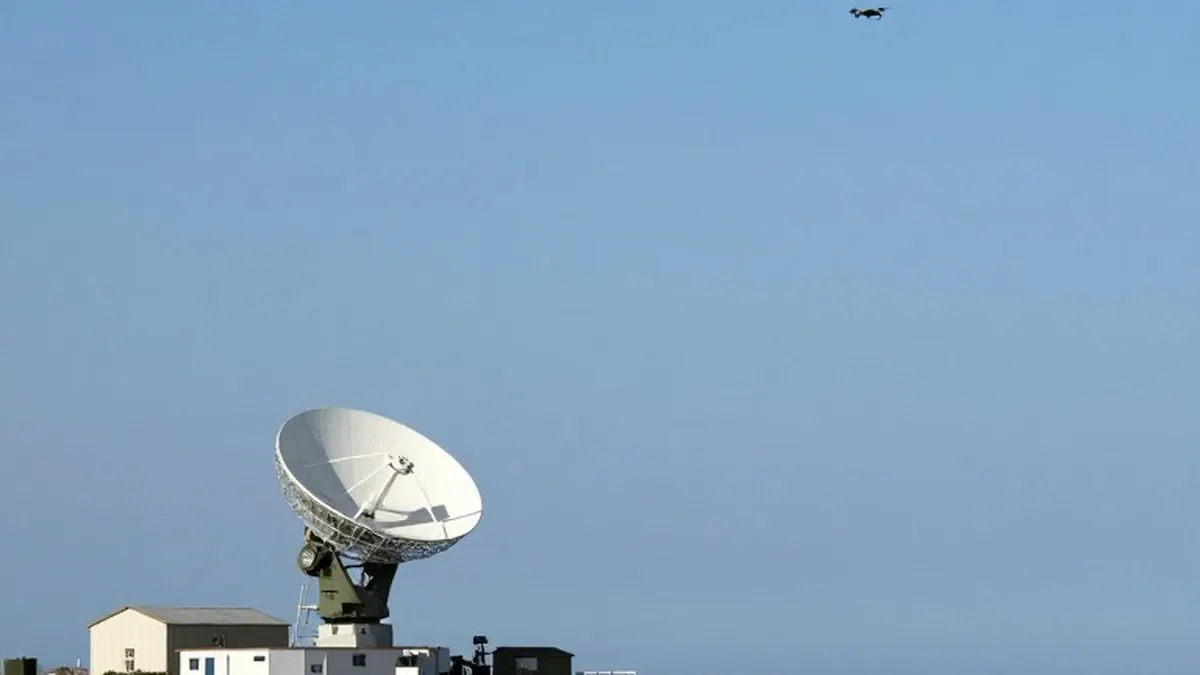
The United States military announced on Friday that it successfully intercepted two Iranian attack drones targeting Bahrain. This statement directly contradicted earlier claims made by Iranian forces, who reported that they had struck and destroyed a US early warning radar system on the island.
Iran's Revolutionary Guard Corps issued an initial statement asserting that its air force had targeted and eliminated the radar installation. The Iranian military described the strike as a retaliatory measure. It was in response to a US attack on a telecommunications tower located in the Iranian county of Sirik, which sits on the shores of the Strait of Hormuz.
Several hours after the Iranian announcement, the US military's Central Command provided its own account of the events. The command denied that the radar had been destroyed. Instead, it reported that it stopped two one-way attack drones launched by the Iranian militant group. The US military stated that there were no casualties or significant damage resulting from the incident.
This exchange occurs against the backdrop of a broader conflict that began with US and Israeli strikes on February 28. The war is currently in a phase of de-escalation, although major issues between the parties remain unresolved. Both the United States and Israel have paused major offensive operations as they navigated recent domestic elections.
Meanwhile, Tehran has continued its efforts to exert control over the Strait of Hormuz. This waterway is a critical transit point for global supplies of oil and natural gas. Iran has persisted in attacking vessels it deems to be unauthorized users of the strait, maintaining pressure on shipping lanes.
The US Navy is actively enforcing its own blockade of Iranian vessels. Recently, naval forces escorted tankers through the strait in areas where reports of burning ships had emerged. This activity highlights the continued tension in the region despite the broader pause in major land or air strikes.
US President Donald Trump addressed the situation prior to the midterm elections. In October, he suggested that the US might launch another round of strikes, referring to potential US-Israeli actions as another little Epic Fury. He did not provide a specific timeframe for when such operations might occur.
Diplomatic efforts to end the conflict are also underway. President Trump is expected to meet with Chinese President Xi Jinping and Russian President Vladimir Putin at an APEC leaders' summit in China next week. The ending of the war in Iran is anticipated to be a key topic of discussion during these high-level meetings.
Previous attempts to resolve the conflict through direct negotiation have not yet succeeded. Peace talks between the US and Iran, which were mediated by Pakistan in April, failed to reach a conclusive agreement. This history adds complexity to the current diplomatic engagements and military standoffs.