Wind Rules Ground Centennial Macy Parade While Iowa Clears Lead Detonation
The century-old New York parade moved to Saturday due to high gusts, yet a federal permit allowed a lead blast in Iowa under much lighter winds.
By Ricardo Brooks ·
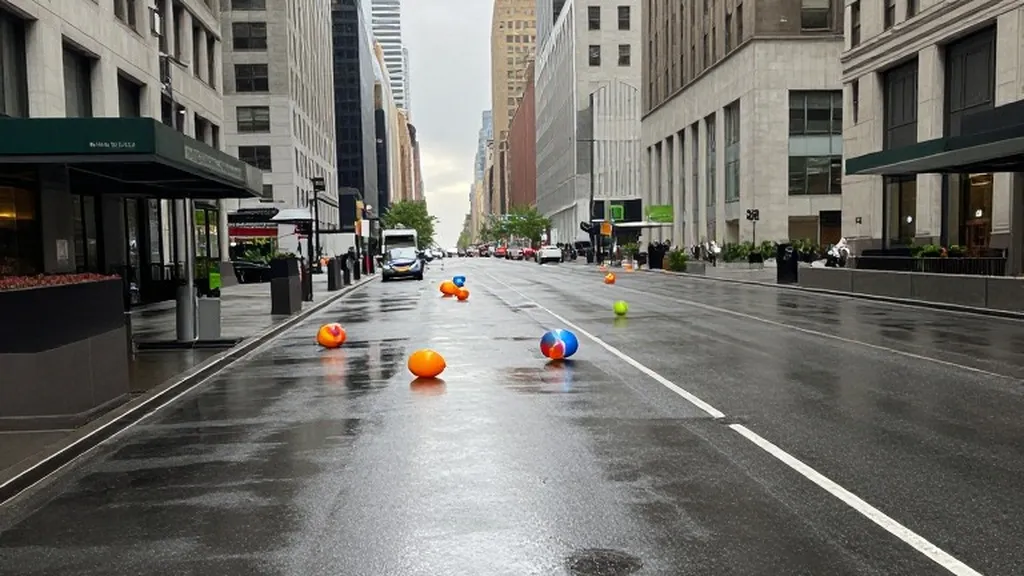
The 100th annual Macy’s Thanksgiving Day Parade in New York City has never missed its traditional date before. This year, however, the event was postponed to Saturday, November 28, 2026, at 8:30 a.m. Eastern Time. The decision came after the National Weather Service issued a High Wind Warning for Thanksgiving Day, starting at 10 a.m. The forecast predicted maximum sustained winds of 28 mph in Manhattan, with gusts reaching 48 mph. For a spectacle known for running in rain or shine, wind proved to be the one element the giant balloons could not withstand.
The reasoning behind the delay is strictly mathematical. Since 1998, regulations have banned the flight of giant balloons when sustained winds exceed 23 mph or gusts surpass 34 mph. The New York City Police Department holds final authority over the balloons for public safety reasons, even when winds are below these specific limits. The requirements are exacting. Balloons are restricted to dimensions of 78 feet in length, 40 feet in width, and 70 feet in height. They must be tethered to two support vehicles, managed by 50 to 60 trained handlers, and equipped with rapid deflation mechanisms. The City Transportation Department must also approve each one. This bureaucratic structure is designed to prevent helium and physics from becoming a liability.
These rules did not emerge from a desire for comfort. They were forged in the aftermath of the 1997 parade, when high winds turned the event into a chaotic scene. About a dozen balloons, including Sonic the Hedgehog, the Nestle Quick Bunny, and the Pink Panther, were damaged. A Cat in the Hat balloon struck a lamppost at 72nd Street and Central Park West, sending a 100-pound section crashing to the street. Four people were injured, two of whom suffered head injuries. Spectator Kathleen Caronna was in a coma for 24 days and was left with serious brain injuries. Mayor Rudy Giuliani pushed the new rules through afterward, ensuring that no one would ever again have to guess whether a giant rubber animal was a balloon or a projectile.
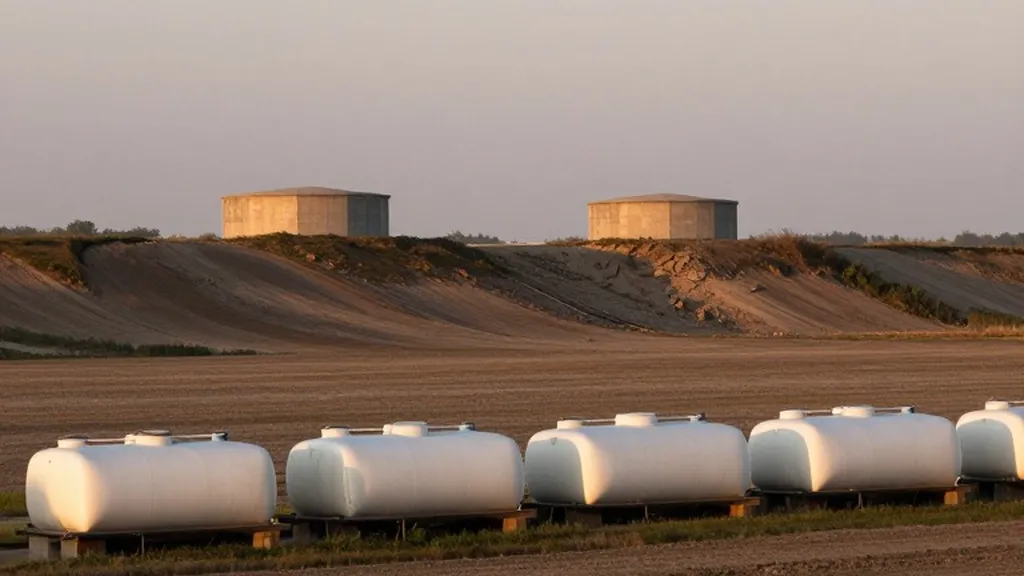
The timing of this postponement has drawn sharp attention. On the same morning the balloons were grounded, the U.S. Army detonated nearly five tons of degraded lead azide at the Iowa Army Ammunition Plant near Middletown, Iowa. This location sits about 1,300 miles upwind to the west of New York. The blast occurred at 9 a.m. Central time, within the same morning window as the parade delay. Army forecasts showed airborne lead dust drifting southwest across southeastern Iowa and into northern Missouri. The Environmental Protection Agency permit for this specific detonation required wind speeds between 1 and 15 mph. New York’s forecast wind was far stronger, ranging from 28 to 48 mph.
This creates a distinct weather paradox. Officials in New York said the parade moved because the wind was too strong and unpredictable for the balloons. Meanwhile, officials in Iowa proceeded with the detonation because the wind was light and steady enough to keep the plume predictable. Critics are calling it a contradiction worth examining, noting that the same weather weekend was used to justify flying no balloons in one city and setting off a lead explosion in another. It is a fascinating display of meteorological duality, where the same atmosphere is simultaneously too turbulent for helium and just right for lead dust.
Some readers have concluded that the parade was moved to keep cameras and attention off the detonation. There is no evidence the two decisions were coordinated. The wind rules for balloons are written down and enforced by the police, and the detonation’s wind window is written into a federal permit. Both sides are following their respective rulebooks to the letter. The irony lies in the fact that one set of rules prioritizes the safety of spectators watching giant toys, while the other prioritizes the predictability of airborne chemicals for a blast that few in New York will see.
The 100th running of the parade is a milestone, but the storm also brought heavy rain and travel trouble to the Northeast during the heaviest Thanksgiving travel stretch of the year. The balloons that were grounded on Thanksgiving are now scheduled to fly Saturday morning instead. The public will have to wait two more days to see the Pink Panther and Sonic the Hedgehog, provided the wind cooperates with the police department’s strict calculations. For now, the 100th anniversary is being celebrated with a pause, a reminder that even in a century of tradition, physics remains the most stubborn stakeholder.
More Business · Rip-Off Report · Report a business · Got a Story?