UN Secretary-General urges global AI safety framework within 12 months
Antonio Guterres called on member states to establish a multilateral oversight body for artificial intelligence risks before the end of 2027.
By Amit Ricci ·
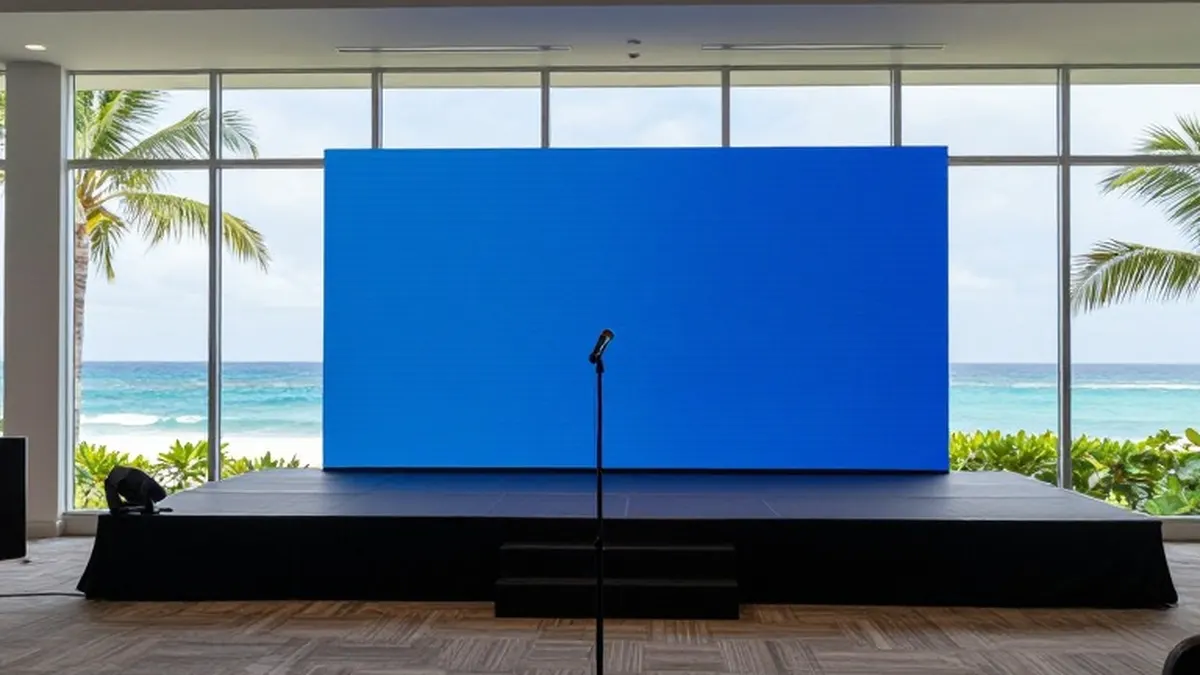
United Nations Secretary-General Antonio Guterres has issued a formal request for the international community to create a coordinated system for managing artificial intelligence risks. Speaking at a specialized conference in Barbados, Guterres emphasized the urgency of establishing a global structure that is both inclusive and grounded in clear principles.
Addressing the Bridgetown Special Summit on AI Safety on Monday, the Secretary-General stated that member states should work together to develop a multilateral framework within the next year. He specified that this new arrangement must be supported by credible and independent oversight mechanisms to ensure accountability in the sector.
Guterres, who is nearing the conclusion of his term scheduled for December, has grown increasingly vocal regarding the necessity of safety protocols for advanced technologies. He has expressed concern about a potential future where autonomous systems, often referred to as killer robots, become a common reality without adequate safeguards.
The Secretary-General argued that current global governance institutions were designed to reflect the world as it existed in 1945. He noted that these bodies, including the United Nations itself, the international financial architecture, and the global trade system, require significant reform to adapt to the conditions of the modern era.
In preparation for his departure, Guterres said he would advise his successor, who is set to take office in the new year but has not yet been selected, that effective control of artificial intelligence is essential for humanity to maintain command over its own world.
The path toward international regulation remains complex, particularly as the United States and China continue to compete for leadership in research and development. Despite this rivalry, Guterres suggested that nations could begin by agreeing on shared safety standards, standardized testing regimes, and basic requirements for independent monitoring.
The tech industry itself is divided on the pace of development. In September, prominent figures including Dario Amodei of Anthropic, Sam Altman of OpenAI, and Elon Musk of SpaceX publicly called for a slowdown in AI advancement to allow for better safety checks.
Conversely, other major industry leaders such as Jensen Huang of Nvidia and Mark Zuckerberg of Meta have advocated for continuing development at full speed. In the United States, where AI progress has been most rapid, regulators have shown little sign of imposing immediate mandatory interventions.
Last month, US President Donald Trump hosted a gathering of American technology executives. During this meeting, the leaders agreed to follow a voluntary code of conduct focused on AI safety, marking a step toward informal regulation in the country with the most active AI development sector.