Ukrainian air defenses neutralize majority of 96-drone Russian overnight attack
Ukraine's Air Force reports intercepting 73 Russian drones during a massive nighttime barrage that resulted in strikes at 13 locations.
By Ricardo Brooks ·
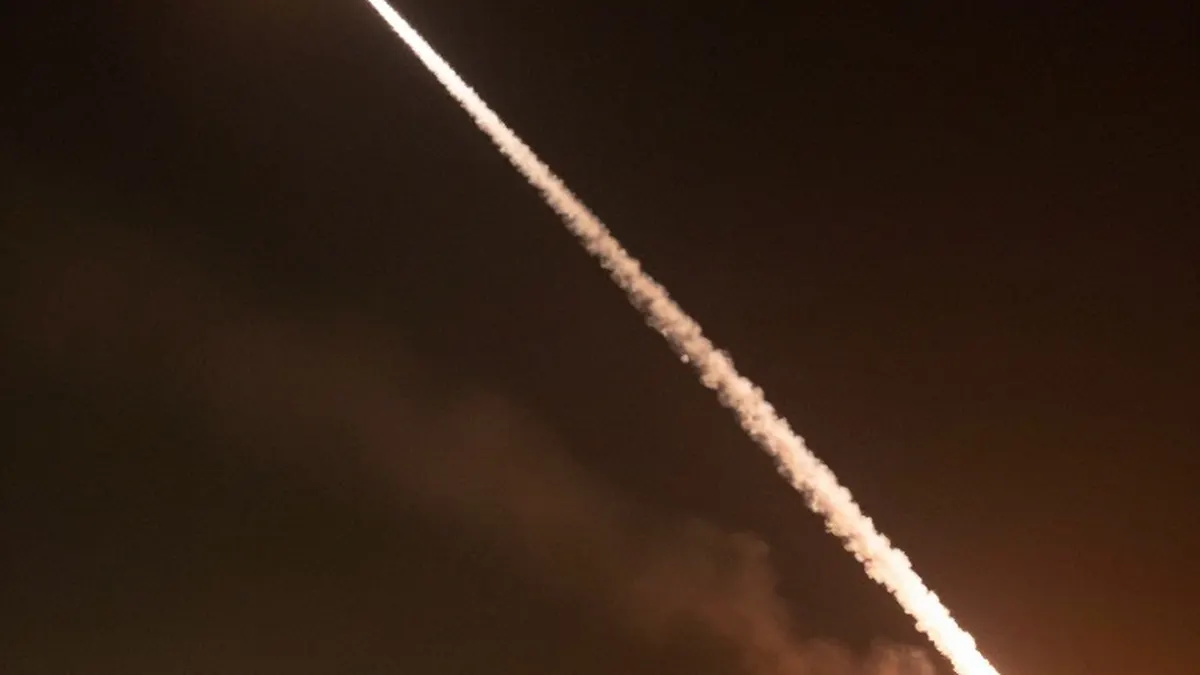
Ukraine’s Air Force announced on November 24 that Russian forces launched a significant aerial assault against the country on the night of November 23 and 24. The attack involved a total of 96 unmanned aerial vehicles, which were deployed from multiple launch sites across Russian territory and occupied regions.
The offensive began at 18:00 on November 23, with Russian forces releasing a mix of Shahed and Gerbera attack drones, along with Parodiya decoy UAVs. According to initial data, 64 of the drones in this wave were jet-powered models. The launch points included the Russian cities of Oryol, Bryansk, and Primorsko-Akhtarsk, as well as the temporarily occupied areas of Donetsk and Hvardiiske in Crimea.
Ukrainian defense forces mobilized a comprehensive network of assets to counter the incoming threat. The response involved aircraft, anti-aircraft missile units, and electronic warfare capabilities. Additionally, unmanned systems units and mobile fire groups were deployed to assist in repelling the multi-directional attack.
By 08:00 on November 24, Ukrainian air defense units had successfully destroyed or jammed 73 of the 96 drones launched. Among the neutralized targets were 45 jet-powered Shahed drones, alongside Gerbera drones and other types of UAVs. This interception rate indicates that a substantial portion of the aerial threat was mitigated before it could reach its intended targets.
Despite the successful interception efforts, the attack caused damage in several areas. Strikes from drones were recorded at 13 different locations across Ukraine. Furthermore, debris from downed UAVs was found at two additional sites, suggesting the impact of the aerial battle on the ground.
The Air Force noted that as of the morning report, the attack was technically ongoing. Several Russian drones remained in Ukrainian airspace, indicating that the final tally of interceptions and impacts may still be subject to change as the situation develops.
This latest barrage highlights the continued pressure on Ukrainian air defenses, which must coordinate multiple systems to handle large-scale drone swarms. The use of jet-powered drones in such high numbers underscores the evolving nature of the aerial conflict.
Ukrainian authorities are continuing to assess the extent of the damage in the affected regions. The coordination between various military units played a crucial role in limiting the effectiveness of the Russian drone offensive.
As the country prepares for further potential attacks, the focus remains on maintaining robust air defense coverage. The incident serves as a reminder of the persistent threat posed by unmanned aerial systems in modern warfare.
The Ukrainian Air Force continues to monitor the airspace closely. Residents in the impacted areas are being advised to remain vigilant as cleanup and assessment operations proceed.