Trump tells advisers he may hold off on Iran strikes absent new provocations, sources say
Three people familiar with the matter say the US president is weighing a pause on strikes against Tehran as diplomacy continues and shipping attacks in the Strait of Hormuz intensify.
By Olga Menon ·
US President Donald Trump has told senior advisers in recent days that he may hold off on attacking Iran as long as the United States faces no new provocations from Tehran or the Iran-backed Houthis in Yemen, three people familiar with the matter told Reuters.
Trump has swung between threatening escalation and winding down the war he launched with Israel on February 28, and current and former officials say he has not made up his mind about how to end the unpopular conflict. In meetings with his national security team and after a series of intelligence briefings, he said he was considering holding off on strikes, the people said, and he has shown sympathy for regional allies urging him not to return to a full-fledged war.
"I could end it immediately, but at the request of the nations that I am looking to protect, we are doing it [in] a little bit longer way, a bit more civilly," Trump told sports broadcaster Stephen A. Smith on Thursday.
The war has raised global fuel prices and proven unpopular with voters, who handed control of Congress to Democrats in last week's midterm elections. A Reuters/Ipsos poll taken shortly before the November 3 vote found 55% of Americans judged the war not worth the cost, and Vice President JD Vance blamed it for the Republican defeat.
Over the past two weeks, Trump asked Saudi Crown Prince Mohammed bin Salman and Turkish President Tayyip Erdogan for their views in phone calls, and both urged him not to resume attacks on Iran, a senior US official and another person familiar with the matter said, adding that he made no commitment either way. Trump told bin Salman on October 31 that he planned to attack after the midterms, but the crown prince pleaded for restraint, arguing that sanctions were working, two people familiar with the discussion said. Turkey's presidency said the two leaders have spoken three times since October 28.
US intelligence agencies assess that the American naval blockade and sanctions are hurting Iran's economy and will keep pressure on Tehran, two officials briefed on the intelligence said. Qatar-mediated talks have continued despite wide gaps: Iran refuses to transfer its highly enriched uranium abroad but is open to down-blending it under UN supervision, while demanding billions of dollars in sanctions relief and war reparations that Washington has rejected. Tehran also wants to charge tolls on certain vessels, such as military ships, passing through the Strait of Hormuz, which the US rejects.
Negotiators still believe an interim or final agreement is possible, though one official said hopes were dented when Trump publicly ordered Vance, a leading advocate of a diplomatic solution, to stop handling the file. A second official said Vance was troubled by Prime Minister Benjamin Netanyahu's near-daily calls urging Trump back to war, feeling the Israeli leader has repeatedly offered bad advice and incorrect predictions.
Three people familiar with US planning said the military is ready to escalate, and a third aircraft carrier is moving into the Middle East in the coming days to replace one of two now there, though all three could stay if needed. Trump could bomb Iran's underground nuclear facilities, but those sites were already struck and it is unclear further hits would succeed; US intelligence assesses new strikes would not significantly shift Iran's demands. Trump was also briefed on weapon stockpiles, some drawn down to worrying levels, including long-range precision munitions that Reuters reported in August were "virtually all" used. A White House official insisted the military "has enough munitions and ammo to serve all of the Commander-in-Chief's strategic goals and beyond."
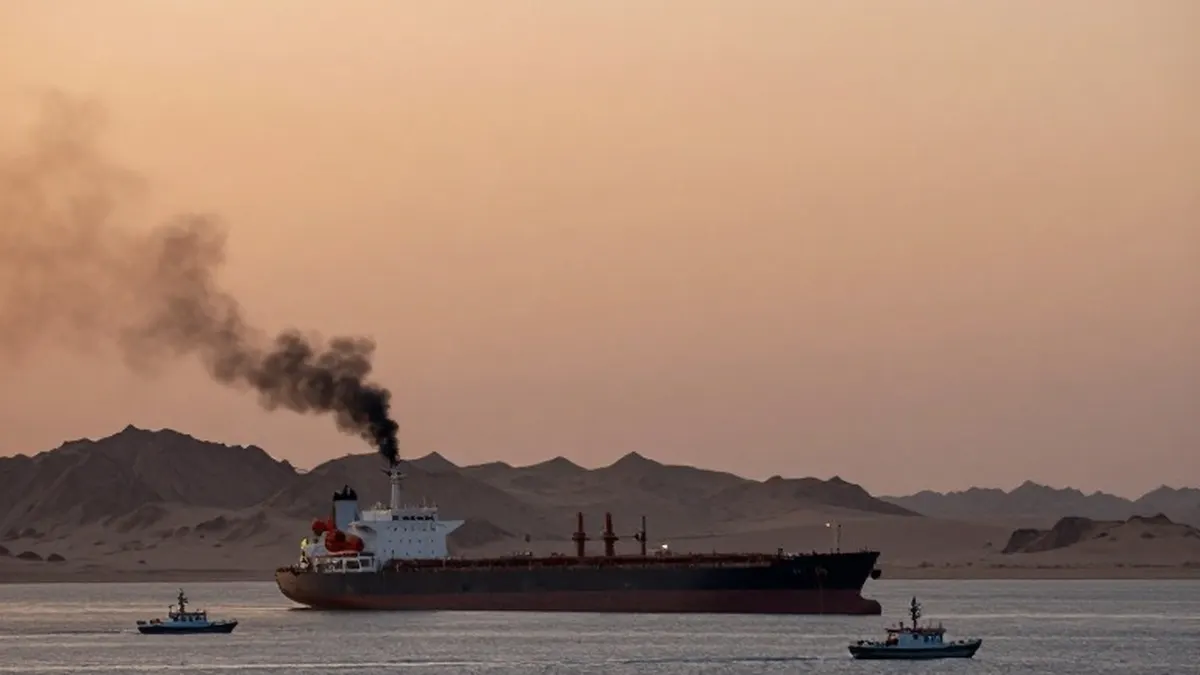
On Saturday, Iran's navy and Revolutionary Guards said fires broke out on three oil tankers that struck mines in the Strait of Hormuz, where Tehran has restricted navigation. The Guards said two tankers that had switched off tracking systems hit a mine on an unauthorized route in the south of the waterway, one of them a supertanker, while the navy said a third caught fire east of the strait. The vessels were not identified. At least 10 ships were hit in the first 10 days of November, after 37 attacks in October, the highest monthly total since the war began, according to the Washington Institute for Near East Policy.
Trump said Thursday he would not hesitate to renew strikes if the situation began "going the other way," even as he claimed the US "totally" controls the strait. He also said he would consider it a defeat if Iran's current regime is still in power when he leaves office.