Rohingya in Malaysia: 126,000 refugees lack legal status and struggle to worship freely
Despite living in a Muslim-majority nation, many Rohingya face barriers to registering places of worship and fear detention while praying.
By Ricardo Brooks ·
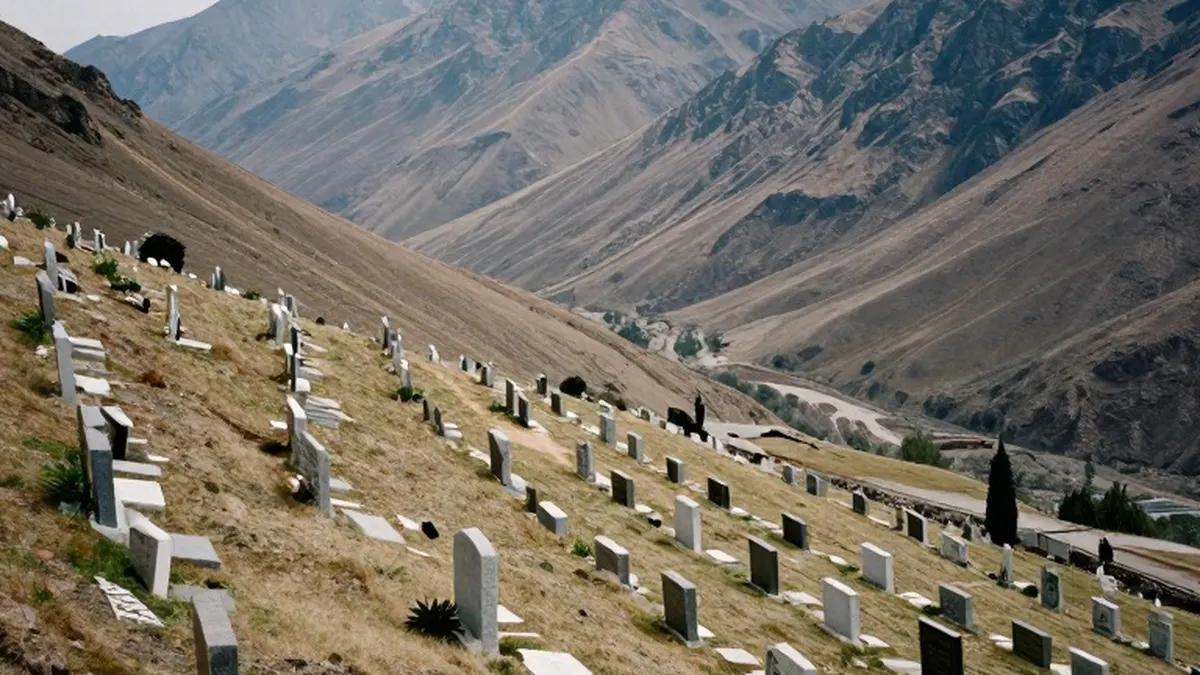
Nur Sadek lost his mother in Bangladesh and has not yet visited her grave. The loss is one of many for Rohingya refugees now living in Malaysia, a country that does not legally recognize them.
As of February 2026, the United Nations refugee agency, UNHCR, registered approximately 126,000 Rohingya in Malaysia. These individuals fled a military crackdown in Myanmar, where ethnic and religious divisions in Rakhine State have long defined life. Sadek, who fled in 2017 after soldiers fired on his community, now studies law and advocates for his community's rights.
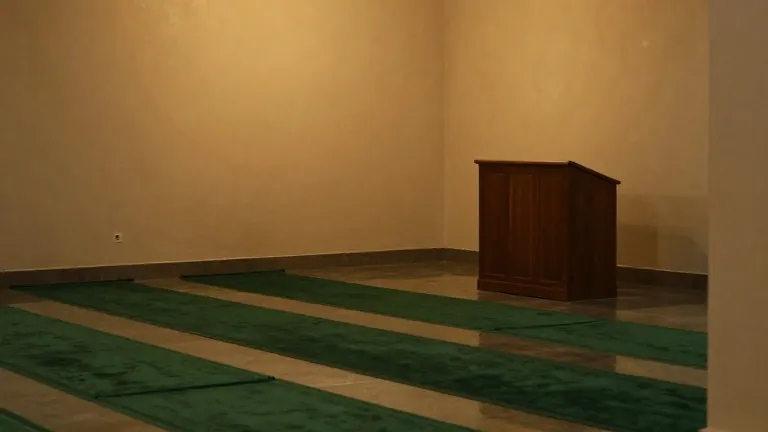
The lack of legal status leaves refugees vulnerable to detention, but religious practice presents an additional daily hurdle. CSW, a religious freedom advocacy group, stated that Rohingya cannot officially register their own places of worship. Most pray at local mosques, yet some face discrimination or avoid them entirely to reduce the risk of being caught by immigration authorities.
"Religious solidarity is often overtaken by social and cultural differences between the two groups," CSW said. Sadek's organization, Rohingya Rights Response, has documented instances where banners declaring Rohingya unwelcome hang outside mosques in certain neighborhoods. Even where access is granted, Sadek noted that most Rohingya do not have their own imam leading prayers, as local Malay imams typically run the mosques.
Nurul Hakim, the first of ten siblings to flee Myanmar in 2010, feels welcomed by local faith leaders. However, he misses the communal aspect of prayer. "There is no difference in praying at a different mosque, but there are differences with who you are praying with," Hakim said. He no longer prays with his neighbors and villagers as he did in Myanmar.
For others, fear dominates. Mohammed Rafique, who fled in 2009 and has not seen his wife and five children since, now prays mostly at home. He earns 30 ringgit, roughly 7.50 dollars, a day collecting scrap materials to buy medication. His wife died without him saying goodbye, a loss that compounds the difficulty of starting a new life far from home.
Zahidah Begum, who fled in 2013, continues to teach her two daughters to pray and recite the Quran. Her father, a village imam, died from an infection after breaking his leg during a raid. Begum said she feels a similar connection to her faith here as she did in Myanmar, even as her children remain unable to attend formal classes.