ICJ rules Myanmar committed genocide against Rohingya in historic ruling
The International Court of Justice has determined that Myanmar breached its obligations under the Genocide Convention, marking the first time a state has been found responsible for the crime.
By Olga Menon ·
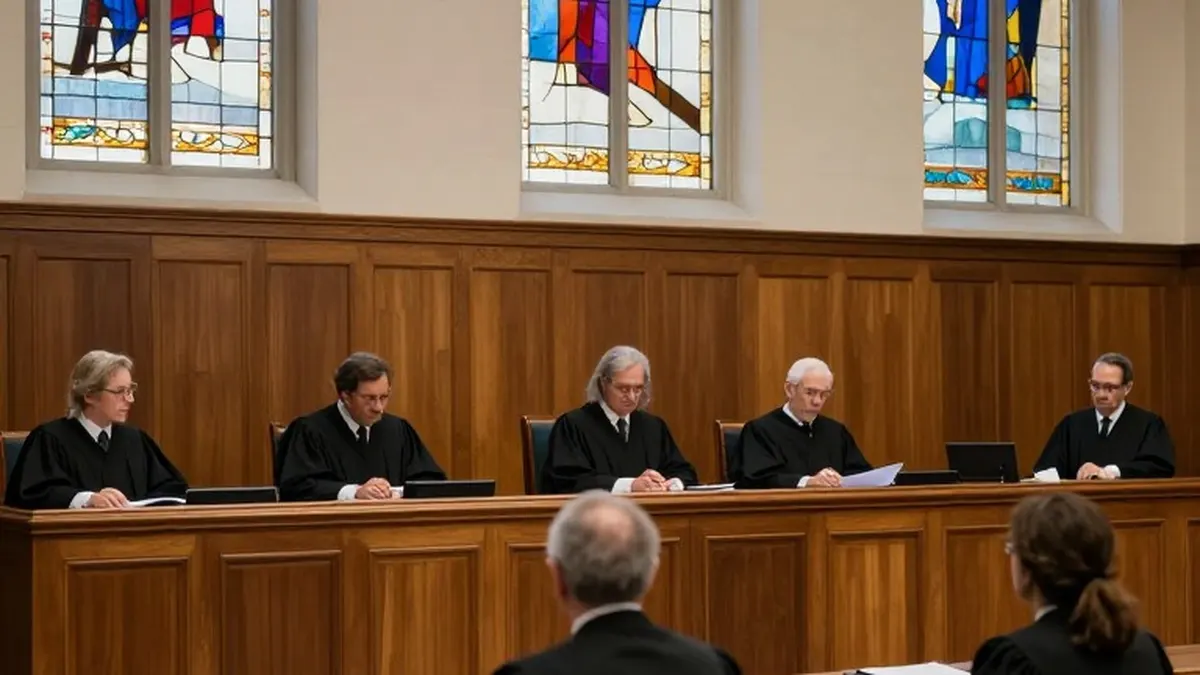
The International Court of Justice in The Hague delivered a landmark verdict on November 19, finding that Myanmar committed genocide against the Rohingya people in northern Rakhine State. This decision marks the first instance in which the UN’s highest court has held a state actor responsible for the crime, a legal milestone that had been pursued for seven years by The Gambia.
The case was brought under the 1948 Genocide Convention, the United Nations' first human rights treaty, which was established after the Holocaust to define the crime and mandate prevention and punishment. While international tribunals have previously convicted individuals for genocide in Rwanda and the former Yugoslavia, this proceeding focused on state responsibility. The court concluded that Myanmar’s military carried out mass killings, widespread rape, and the deliberate killing of children during attacks in 2017.
Arslan Suleman, the American lawyer who led The Gambia’s legal team, described the process as a long and winding path. He noted that the team simply asked the court to apply its legal standards to the facts presented, which the judges did. The ruling affirmed that the targeted group constituted a substantial part of the Rohingya population, supporting estimates of at least 10,000 deaths and significant physical and psychological harm.
The initiative originated from relationships built within the Organisation of Islamic Cooperation. Suleman, who previously served as the acting US special envoy to the OIC, raised the idea with Gambian officials. Justice Minister Abubacarr Tambadou, who had experience prosecuting genocide at the Rwanda tribunal, was pivotal in the effort. After visiting refugee camps in Bangladesh in 2018, Tambadou helped secure the backing of the OIC and The Gambia’s government to file the case in November 2019.
Myanmar challenged the court’s jurisdiction following the 2021 military coup, arguing that The Gambia lacked standing because it was not directly harmed. The court dismissed these objections in 2022, ruling that any state party to the convention could hold another party accountable. The judgment also found that Myanmar breached an earlier order to preserve evidence, a critical failure in the legal process.
The legal team relied heavily on previous UN investigations, including the independent fact-finding mission and the Independent Investigative Mechanism for Myanmar. Suleman described the 2018 report from the fact-finding mission as the anchor of the case. The court gave significant weight to witness statements, satellite data confirming village destruction, and expert testimony regarding military operations and hate speech.
The proceedings were marked by significant international attention and tension. Judge Jean Pin, a former UN human rights chief and Nobel Peace Prize laureate, sat as an ad hoc judge for The Gambia. Her presence drew scrutiny from the US, with Ambassador Mike Waltz warning that Washington was watching closely. Despite this, the court moved forward with the trial, which included oral arguments and testimony from Rohingya survivors in closed sessions.
The outcome was a 9-6 majority decision in favor of The Gambia. Following the verdict, Suleman and his colleagues celebrated with Rohingya survivors, wearing garlands in accordance with local custom. The case has placed The Gambia, a small West African nation, at the center of international justice, building on its history of supporting human rights institutions.
More than 700,000 Rohingya fled to Bangladesh in 2017, creating the world's largest refugee camp in Cox’s Bazar. The ruling provides a legal foundation for future accountability measures, although the immediate practical effects on the refugees remain a subject of ongoing discussion. The judgment serves as a precedent for holding states accountable under international law for acts of genocide.
The decision reinforces the importance of the Genocide Convention and the role of the ICJ in adjudicating disputes between states. It highlights the collaborative effort required to bring such cases to court, involving multiple legal experts, international organizations, and financial support from various OIC member states. The case is expected to influence future proceedings involving state responsibility for mass atrocities.