Putin asserts hardline stance in Moscow as Ukraine reports new Starlink disruptions
Putin warned US envoys of a hardline approach to foreign troops in Ukraine while new restrictions on Starlink satellite service disrupted Ukrainian defenses.
By Ricardo Brooks ·
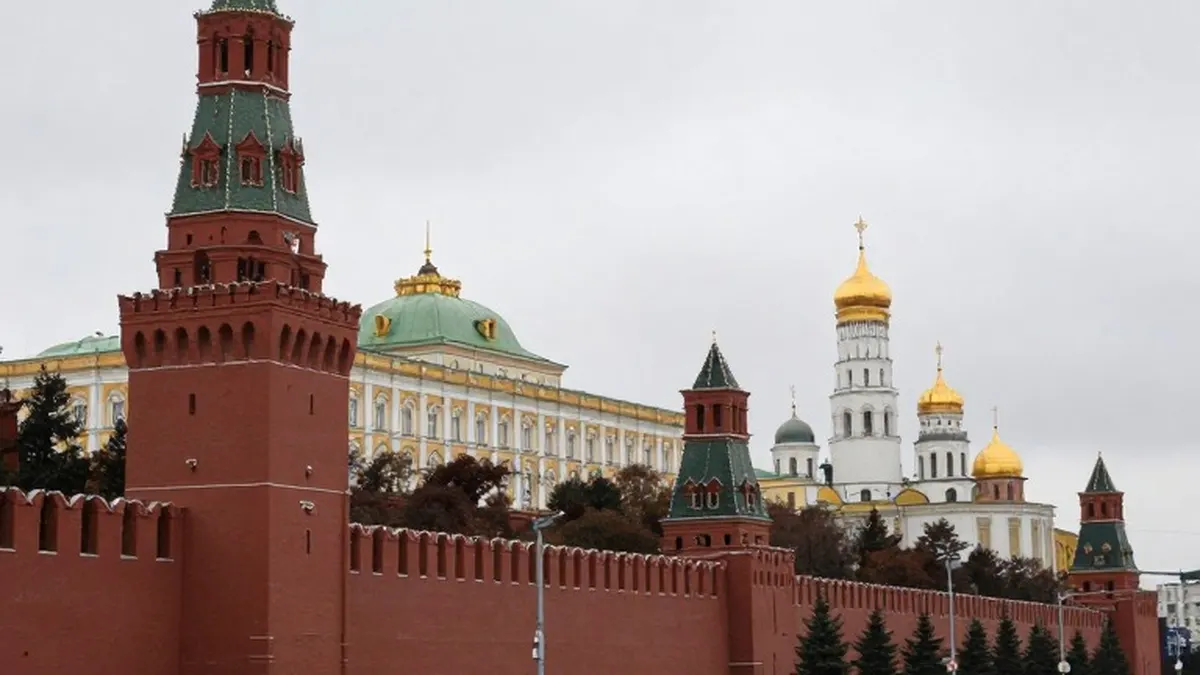
Russian President Vladimir Putin delivered a series of firm statements to US negotiators in Moscow on Thursday, warning that Russia would target any foreign military forces deployed to Ukraine. These remarks came as the Ukrainian military reported renewed disruptions to the Starlink satellite service, further complicating the ongoing diplomatic efforts to end the conflict.
During the meeting at the Kremlin with US envoys Jared Kushner and Steve Witkoff, Putin refused to ease his territorial demands. He insisted on full Russian control over the four Ukrainian regions that Moscow claims to have annexed. The Russian leader also rejected the idea of deploying foreign peacekeeping troops, characterizing such a move as a continuation of the war rather than a path to peace.
The President's comments appeared to lower expectations for a swift resolution, particularly after Ukrainian President Volodymyr Zelenskyy recently suggested there was a window of opportunity to reach an agreement before the end of 2026. According to two people familiar with the discussions, the latest trip by the US envoys was partly intended to secure European participation in future rounds of negotiation.
Following the meeting, Witkoff confirmed that European representatives would join the next round of talks. He described them as partners whose involvement is crucial. The US envoys are now traveling to Dublin, Ireland, where they plan to meet with Zelenskyy to debrief him on the outcomes of the Moscow discussions.
The Kremlin appears to be reframing the negotiations as a broader discussion on European security. However, European leaders remain wary of this approach while Russia continues its attacks. EU foreign policy chief Kaja Kallas stated that a European security architecture already exists, citing the Helsinki accords and the Budapest memorandum. She argued that the current focus should be on Russia honoring its existing obligations rather than creating new frameworks without a ceasefire.
Both Washington and Moscow have urged European leaders to appoint a single representative to lead negotiations on their behalf. Putin stated that once such a chief negotiator is appointed, a four-way dialogue can begin. However, EU leaders are expected to discuss the issue on Friday but have so far declined to nominate a single individual. An EU official indicated that no agreement on a special representative is expected in the immediate future.
Kallas suggested that she, as the EU high representative for foreign and security policy, should represent the bloc in talks alongside European Council President António Costa. Meanwhile, more than 45 European leaders are gathering in Dublin for the European Political Community summit. French President Emmanuel Macron downplayed the need for a single negotiator, stating that the content of the negotiations determines the format. He emphasized that Europeans must ultimately define their own future security.
German Chancellor Friedrich Merz said it is essential to get Putin to the negotiating table before deciding on a specific European envoy. He noted that the focus should be on Russia's preparedness for talks rather than on individuals. In parallel, Zelenskyy accused the Starlink service of hindering Ukraine's defense against Russian drone attacks due to new reported restrictions.
Zelenskyy stated that Starshield, the military version of Starlink funded by the Pentagon, has faced speed limits of 100 miles per hour along the frontline and in occupied territory for several days. These restrictions have made it difficult for Ukrainian forces to intercept sophisticated jet-powered drones. Similar issues last month led to confusion between Musk and the US administration, but Zelenskyy said the current disruption appears deliberate. Kyiv has contacted Washington to seek an explanation for the interference.