Netherlands backs German call to tie EU budget approval to Ukraine funding
Dutch Prime Minister Rob Jetten supports making approval of the EU's next long-term budget conditional on every member state contributing to funding Ukraine.
By Olga Menon ·
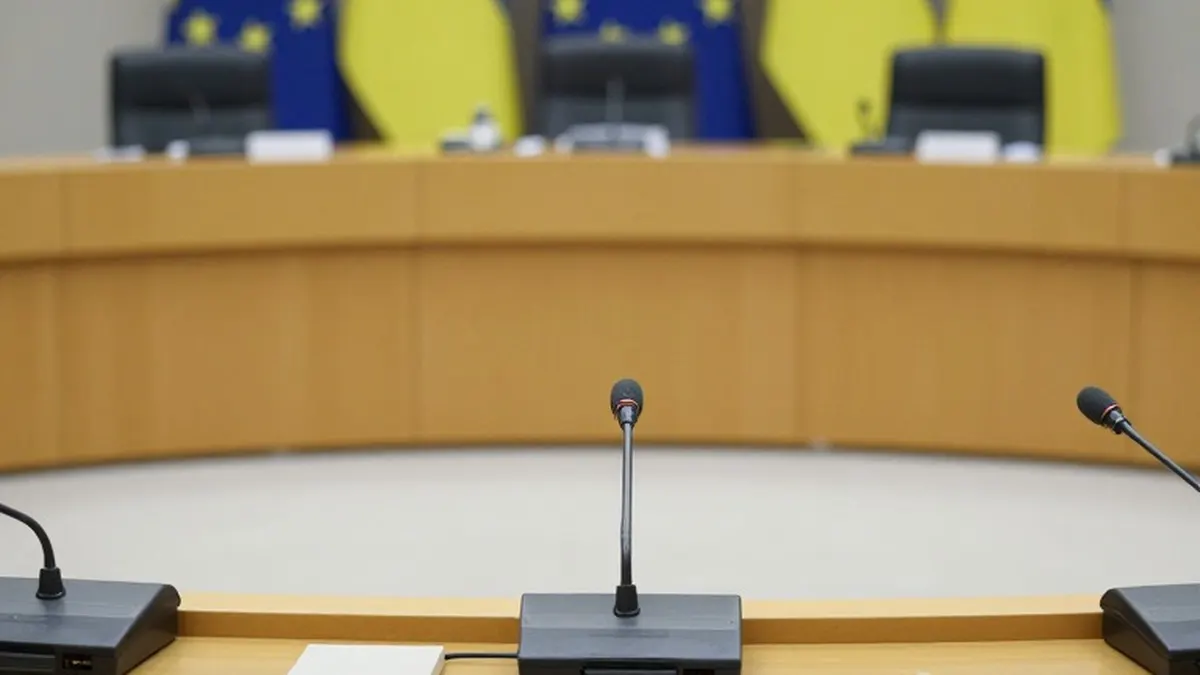
The Netherlands has backed Germany's position that the European Union's next long-term budget should not be approved unless every member state agrees to help fund Ukraine. The Dutch stance links approval of the spending plan for 2028-2034 to a commitment from all EU countries, with no exceptions for those seeking to opt out.
Dutch Prime Minister Rob Jetten confirmed his support when asked about the condition set by German Chancellor Friedrich Merz, European Pravda reported. Merz had said that Germany's approval of the future seven-year budget would depend on all member states being willing to contribute to funding Ukraine.
"Absolutely. No opting out," Jetten said. He linked the demand for contributions from every EU member to the wider significance of Ukraine's fight. "The Ukrainians are fighting for their own freedom, but also for European security, and that is not something that you can be picky about," he added.
Jetten also addressed the possibility that the Netherlands' demands could prolong budget negotiations into 2027. He said that prospect did not concern him, putting the substance of an eventual agreement ahead of the timetable for reaching it. His priority, he said, was securing a good deal for both Ukrainians and Europeans.
Beyond the condition concerning Ukraine, the Dutch prime minister outlined several priorities for the next EU budget. He said spending should concentrate on modernisation, future security challenges and competitiveness. At the same time, he argued that the overall budget should be smaller, pairing those priorities with a call to reduce its size.
The Netherlands also considers retaining its rebate on contributions to the EU budget a matter of principle, Jetten said. His remarks therefore covered both the requirement for every member state to participate in Ukraine funding and the Dutch position on the size, focus and contribution arrangements of the broader budget.
The German position that Jetten endorsed was announced earlier in November. Merz made Berlin's support for the EU's next seven-year spending plan conditional on the willingness of all member states to contribute to funding Ukraine.
Separately, on 18 November, the European Commission proposed an additional €45 billion loan for Ukraine in 2027. That proposal concerns financing for the year before the 2028-2034 budget period at the centre of the German and Dutch demands.