Moscow Car Bomb Injures Former Ukrainian Official, Following St Petersburg Killing
A former aide to Ukraine's exiled prime minister was severely wounded in a Moscow car bomb, marking the second major assassination attempt in Russia within 24 hours.
By Amit Ricci ·
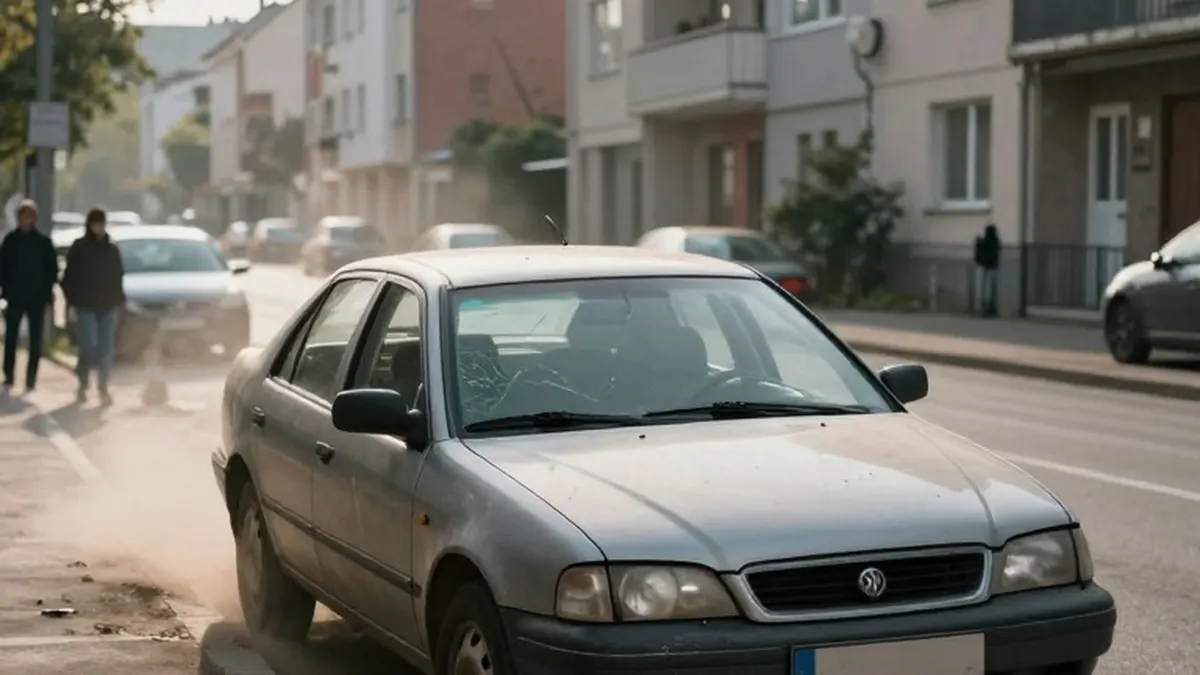
Russia experienced a surge in violence on Friday morning when a car bomb exploded in southern Moscow, leaving Sergei Zavorotniy, 72, in serious condition. Zavorotniy is a former senior aide to Mykola Azarov, Ukraine's exiled former prime minister who fled to Russia in 2014 following the Maidan revolution that removed pro-Russian president Viktor Yanukovych from power.
According to Russian media reports, the blast resulted in the amputation of Zavorotniy's left arm. He was subsequently placed in an induced coma and treated for a concussion, fractured ribs, and other injuries sustained in the explosion. Russia's Investigative Committee has opened a criminal investigation into the incident.
Zavorotniy previously served as a spokesperson and adviser to Azarov. A 2020 report by the US Senate Select Committee on Intelligence, which examined Russian interference in the 2016 US presidential election, identified him as an officer of the Russian Foreign Intelligence Service, or SVR, who participated in influence operations.
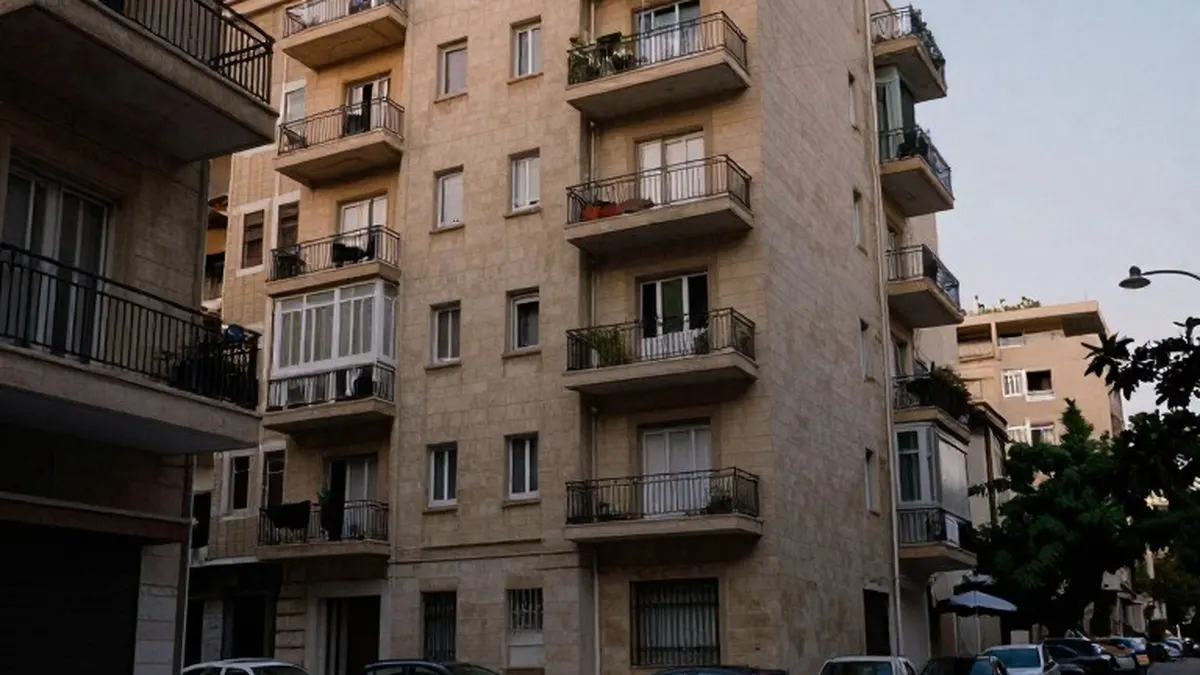
The attack in the capital occurred just one day after a similar car bomb explosion in St Petersburg claimed the life of a senior Russian military official. That incident took place on Thursday morning in the Pushkinsky district, an area known for housing many military personnel, according to law enforcement sources and local media.
The victim in St Petersburg has not been publicly identified but was described by sources cited by the local broadcaster 78.ru as a colonel in the Russian air force. The St Petersburg-based news outlet Fontanka reported that the colonel was killed by a remotely detonated bomb. The suspect, a 31-year-old individual, had secured employment at a shop near the target's residence and tracked the colonel's movements for several months.
The suspect reportedly fled Russia for Moldova via Turkey on the morning of the explosion. Ukraine has not yet issued a public statement regarding either of the two recent attacks.
These incidents are part of a broader pattern of operations by Ukrainian intelligence agencies, which have targeted dozens of senior Russian military officers and officials installed by Moscow since the start of the full-scale invasion. Kyiv accuses these targets of involvement in war crimes.
The successful strikes in both Moscow and St Petersburg, cities known for their heavy policing, underscore the ongoing challenges faced by Russian security services in protecting high-ranking personnel. Nearly five years into the conflict, the threat level remains high. In late August, a lieutenant colonel from a Russian air force and air defense unit was killed in a car bombing in the same St Petersburg neighborhood.
President Vladimir Putin has previously reprimanded his top security officials over the wave of assassinations, leading to the implementation of tighter security measures. Despite these efforts, little is known about the clandestine Ukrainian networks operating inside Russia and occupied territories, which continue to carry out assassinations and attacks on military infrastructure far behind the frontlines.