King Charles calls slavery a shameful chapter but stops short of formal apology
At the Commonwealth summit in Antigua and Barbuda, King Charles expressed profound sorrow over the transatlantic slave trade, while Prime Minister Andy Burnham indicated openness to a UK apology.
By Olga Menon ·
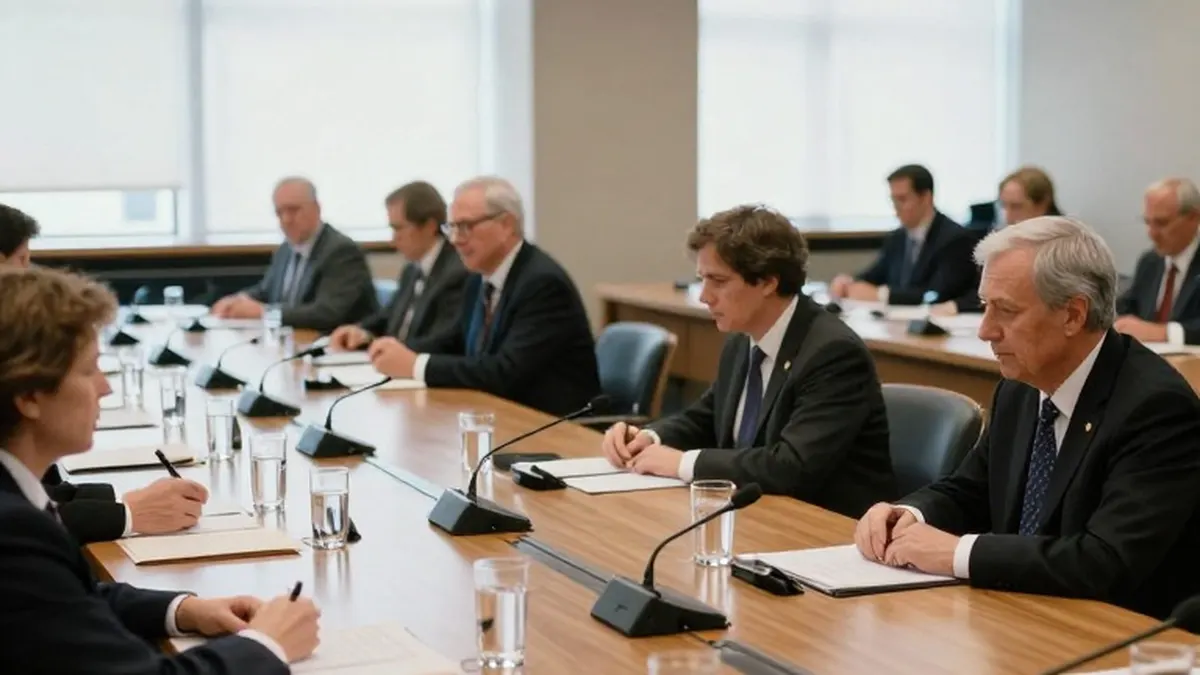
King Charles III addressed the leaders of 56 Commonwealth nations on Tuesday, stating that he now possesses a deeper comprehension of the horrors associated with the transatlantic slave trade. During his opening remarks at the summit, the monarch described the era as a shameful chapter of history, though he did not issue a formal apology on behalf of the United Kingdom. His speech came at a time when the issue of historical justice is dominating discussions among the member states, which are primarily former British colonies.
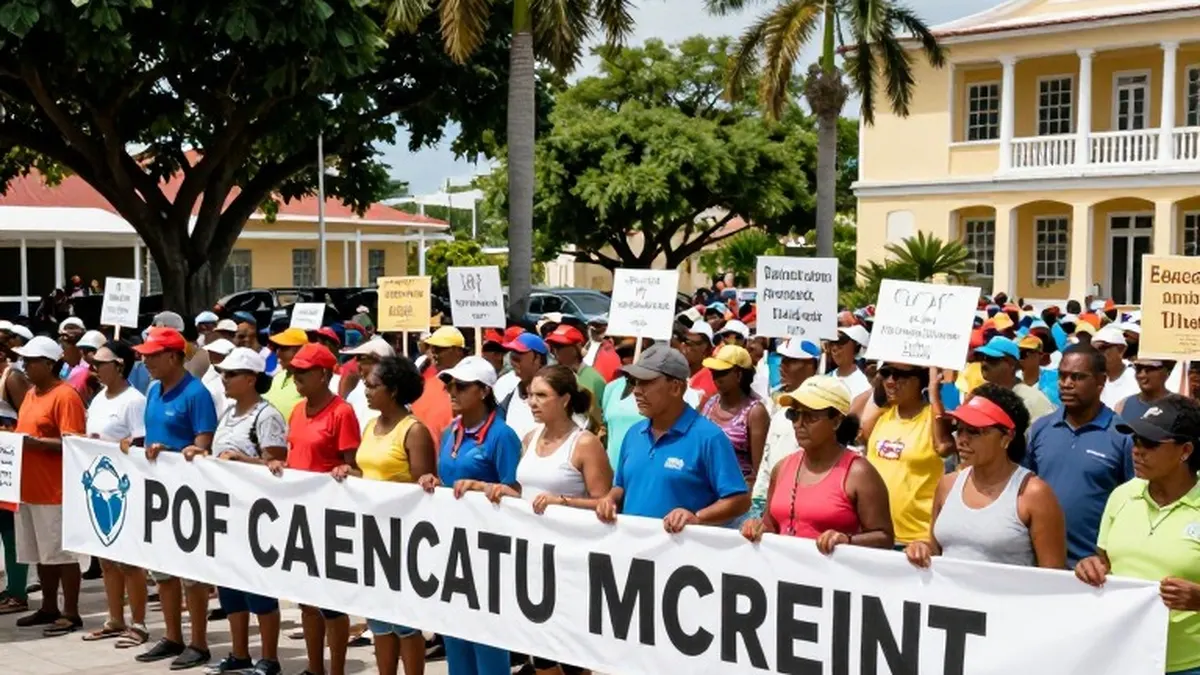
The gathering in Antigua and Barbuda has been heavily focused on whether Britain should formally apologize or provide reparations for its role in the slave trade. While the King and the British government have not yet committed to either a formal apology or financial compensation, both leaders have emphasized the importance of using the Commonwealth framework to tackle contemporary challenges. These modern priorities include support for climate change initiatives, education, and public health.
In his address, King Charles acknowledged the lasting impact of the past. He stated that the transatlantic trade in enslaved persons continues to cast a shadow over the islands and other members of the Commonwealth. The King shared that this period of history fills his heart with horror and his soul with profound personal sorrow, highlighting the emotional weight of the subject for him as the head of the Commonwealth.
The monarch explained that his increased commitment to addressing past wrongs stems from a process of listening, learning, and looking. He argued that as he furthered his understanding of these issues, he became more determined to find ways for different countries to build modern partnerships. These partnerships are intended to help address the wrongs of the past by focusing on practical improvements in daily life.
Charles emphasized that while the past cannot be changed, it can serve as a lesson for the future. He told the leaders, We cannot change the actions of those who came before us, but we can, however, learn from the past. He urged the group to look forward and ensure that evil need not have the last word, suggesting a focus on resilience and progress rather than solely dwelling on historical grievances.
To illustrate his point, the King used a nautical metaphor, noting that sailors cannot command the winds, especially those from the past. However, he argued that they can choose how to set their sails. This sentiment was accompanied by a list of specific areas where the Commonwealth can make a difference, including access to education, jobs, and opportunities. He also highlighted intra-Commonwealth trade and climate change resilience as key tools for helping those who struggle against hardship and disadvantage.
Prime Minister Andy Burnham, who is new to the role, has taken a slightly different approach by expressing openness to the idea of a British apology for slavery. He stated that officials were holding talks with national leaders at the summit to discuss what form such an apology might take. This represents a shift from previous administrations, as Burnham has gone further than other prime ministers in explicitly welcoming the possibility of a formal statement of regret.
In addition to the diplomatic discussions, Burnham announced concrete financial commitments to support the region. He revealed a forty million pound, or fifty-four million dollar, investment into critical infrastructure in the Caribbean over the next three years. The Prime Minister also indicated a desire to discuss debt resets for smaller Commonwealth nations, aiming to alleviate some of the economic pressures faced by these member states.
The summit serves as a critical platform for these 56 nations to navigate their shared history and future cooperation. While the debate over reparations and apologies continues, both the King and the Prime Minister have underscored the need for action in the present. Their efforts to balance acknowledgment of past suffering with a forward-looking agenda reflect the complex dynamics of the Commonwealth as it seeks to remain relevant in a changing global landscape.
Source: France 24