Israel’s Election History Shows No Proven Link Between Rain and Turnout
As rain is forecast ahead of the October 27 election, Israeli voting records show no established connection between wet weather and voter participation.
By World Press Post Staff ·
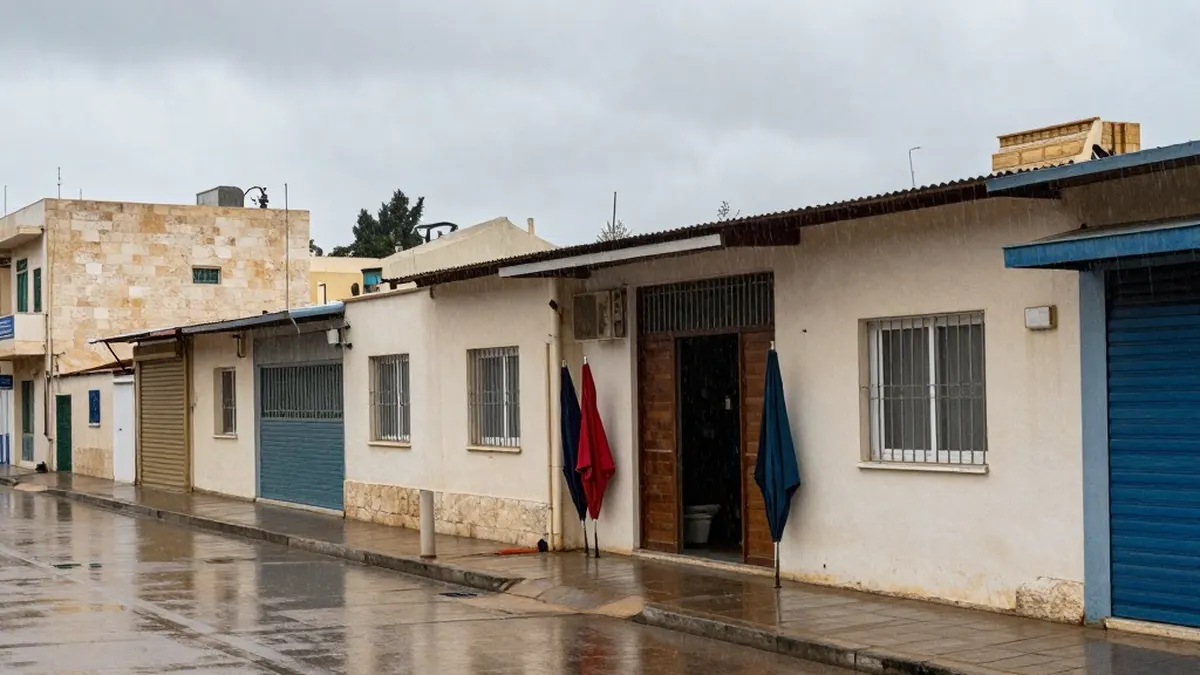
Rain forecast ahead of Israel’s October 27 election has raised questions about whether bad weather could discourage voting. The expected rainfall will strengthen at midday, particularly in the south and east, accompanied by thunderstorms, strong gusts and hail. Significant flash flooding is also possible in streambeds in the Negev and Arava and around the Dead Sea. Historical election records, however, show no proven relationship between rain and Israeli voter turnout.
Israel’s highest turnout, 87%, came during the first Knesset election in January 1949, despite an especially stormy winter day. The second election, held in ordinary summer weather in July 1951, drew 75%. That figure remained lower than turnout in every subsequent election until 2003. The contrast challenges the assumption that clear skies necessarily bring more voters to polling stations.
Participation reached its lowest level in 2006, when 63.5% voted in the election for the 17th Knesset. Clouds and rain affected parts of Israel on March 28, prompting media reports to blame the weather. An extensive Israel Meteorological Service review instead found that political and social conditions drove participation, with no meaningful connection to rainfall. Polling stations operate for 15 hours, while Israeli rain generally arrives in short bursts.
Weather nevertheless helped shape the legal election timetable. A 1959 amendment to Basic Law: The Knesset designated Cheshvan as the fixed election month. Knesset Constitution Committee documents from 2006 described its position after the Tishrei holidays and before the harshest winter weather as convenient. But every election since 1988 has been brought forward. If voting proceeds as scheduled on Tuesday, October 27, it will be Israel’s first election on its original statutory date in 38 years.
Including the coming vote for the 26th Knesset, elections have been distributed fairly evenly across the seasons: seven each in winter and summer, and six each in spring and autumn. Turnout records show no meaningful summer versus winter difference. One consideration is that elections held in July and August occurred well before overseas holidays became widespread among Israelis.
Research elsewhere offers mixed findings. A study covering 14 American presidential elections associated approximately 25 millimeters of rain with a turnout decline of about one percentage point. Dutch research also linked sunshine with stronger participation, while Swedish researchers found no significant rainfall effect. University of Copenhagen researchers combined 34 studies in Electoral Studies and found that each centimeter of rain reduced turnout by about 0.95%. Young and undecided voters were six times more sensitive to weather than other voters.
Applying those international findings to Israel is difficult because Election Day is a public holiday, whereas voting in many countries takes place on a working day. Together with the long polling hours and the historical turnout figures, that distinction complicates predictions that autumn rainfall will substantially deter Israeli voters.
Source: The Jerusalem Post