Rare Siberian Rubythroat Found Dead in Cumbria
A rare Siberian rubythroat, normally migrating to Asia, was found dead in Cumbria after being caught by a cat.
By Ricardo Brooks ·
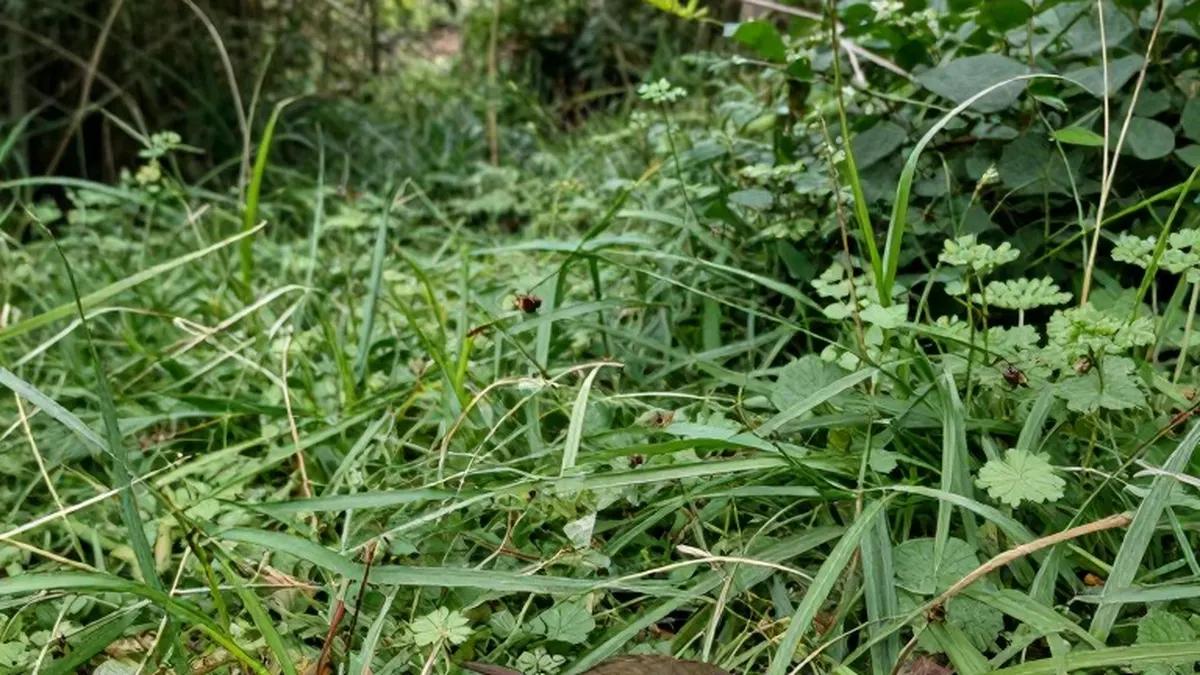
A Siberian rubythroat, a bird that typically migrates from Siberia to winter in South and Southeast Asia, was discovered in Cumbria, England. The find is considered highly unusual, as the species is rarely seen in Britain. Tragically, the bird was found dead after being caught by a domestic cat.
Chris Hind, the county recorder for birds in Cumbria, described the discovery as extraordinary. There have been only 17 recorded instances of this species in the UK. Fifteen of those records are located in the northern Scottish isles, leaving only two accepted records from mainland Britain.
Hind was contacted by the Royal Society for the Protection of Birds over the weekend. A woman living in a remote valley in north Cumbria had reported the find. She recognized the bird as unusual and placed the carcass in her freezer to preserve it for examination.
The woman, who wished to remain anonymous, told the BBC that she heard her cat flap open. Her heart sank when her cat brought the bird to her and then trotted away. She noted the bird’s distinctive orange-red feather patch under its beak but could not immediately identify the species.
Hind stated that the woman likely did not realize just how incredibly rare the bird was. The reason the bird appeared to head west instead of south remains a mystery. Hind pointed to the increasing number of yellow-browed warblers spotted in the UK in recent decades. He noted that while these were once thought to be lost, academics now believe their presence may be more purposeful.
The Siberian rubythroat brought in by the cat was significantly underweight. It weighed 28 grams, just under one ounce. Textbooks indicate that the species should weigh approximately 73 grams. The bird is also known for being extremely secretive, often creeping around in dense vegetation.
The location where the bird was found was heavily vegetated, with many trees, bushes, and hedges in a remote valley. Hind said it is likely that no one would have seen the bird had the cat not come across it. He expressed mixed emotions, saying he was sad for the bird and a bit angry with the cat, but acknowledged that cats are natural predators.
Academics plan to take samples from the bird. The specimen, currently in Hind’s freezer, will be sent to Tullie House Museum in Carlisle. Hind hopes it can be prepared for display, noting that the bird has a remarkable story and is very dramatic looking.