Eisenkot draws on Moroccan roots in bid to challenge Netanyahu
The centrist challenger is highlighting his Moroccan Jewish identity as he seeks support in Sderot, a traditional stronghold of Israel's right.
By World Press Post Staff ·
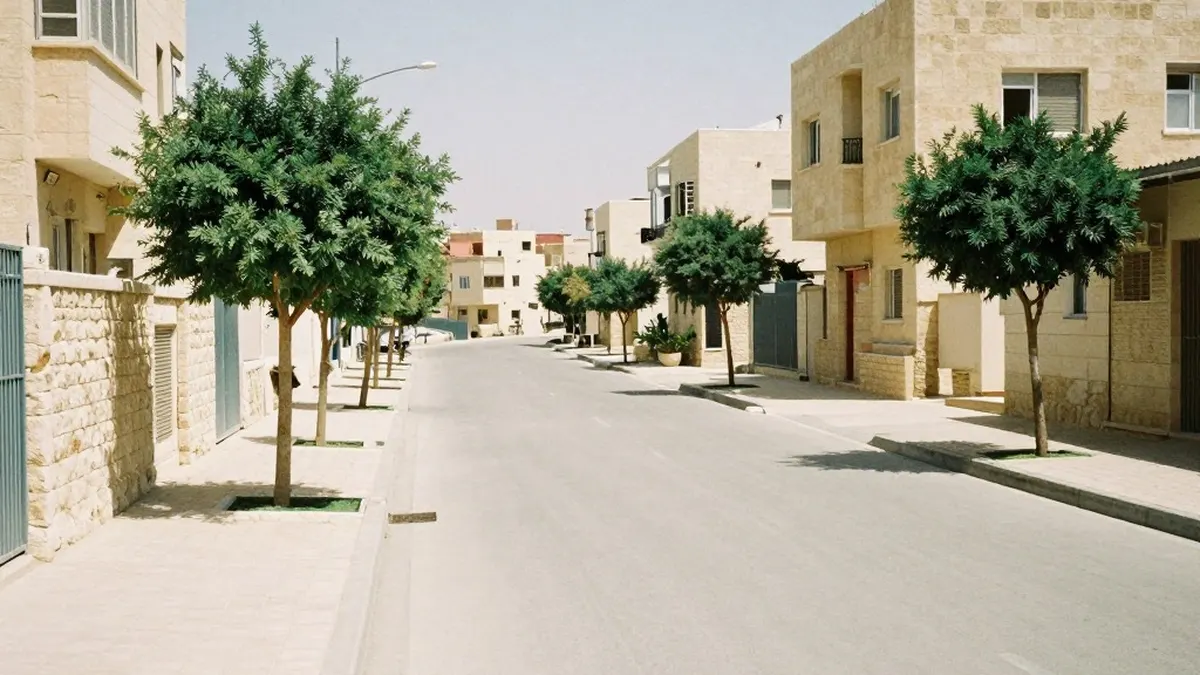
Eisenkot's Moroccan heritage has become a prominent part of his campaign to unseat Israeli Prime Minister Benjamin Netanyahu ahead of Tuesday's elections. In Sderot, where Netanyahu's Likud has traditionally commanded strong support, posters for Eisenkot's liberal Yashar party feature a slogan combining Hebrew and Moroccan Arabic to present him as a prime minister from the community.
The message speaks directly to a city with a large Moroccan Jewish population. Situated in the Negev desert, roughly 75 kilometers south of Tel Aviv and one kilometer from Gaza, Sderot has become an important center of Moroccan Jewish cultural expression. Likud won more than 40% of the city's vote in 2022, against 23% nationally, while other parties in Israel's far-right coalition also performed strongly.
Eisenkot, who grew up in Eilat among a substantial North African Jewish population, is campaigning against the backdrop of enduring divisions between Ashkenazi Jews of European origin and Mizrahi Jews, whose backgrounds are largely Middle Eastern and North African. An estimated 4 million people, around half of Israel's Jewish population, are Mizrahi. Discrimination dating to the state's early years continues to influence social conditions and political debate.
Yashar has accused Likud of keeping its Mizrahi politicians away from interviews. The identity debate intensified when journalist Yinon Magal, a vocal Netanyahu supporter, alleged on live television that Eisenkot was controlled by an Ashkenazi elite and called him a "monkey." Netanyahu, who has European roots, condemned the comment.
Daniel Ben-Simon, a Morocco-born journalist and former member of parliament, told Deutsche Welle that Magal's remarks may have pushed Eisenkot toward emphasizing his heritage. Nevertheless, he saw historical significance in the campaign's use of "Dialna," meaning "of our own." Ben-Simon said Israeli society had long sought to suppress the Arab identities of North African Jews, and that Eisenkot's language gave expression to a combined Israeli and Moroccan identity.
Those tensions have roots in policies pursued after Israel's founding by Mapai, the ruling socialist party with a largely Ashkenazi leadership. Mizrahi newcomers faced pressure to adopt European cultural norms. While European immigrants often obtained better jobs and housing, many Jews arriving from Arabic-speaking countries were placed in temporary transit camps, frequently in isolated locations lacking infrastructure. Many camps subsequently became development towns, including Sderot, that received less funding than central areas.
Resentment over unequal access to employment, education and public infrastructure helped Likud build support under Menachem Begin. Established as a right-wing alliance in 1973, the party drew on Mizrahi backing to defeat the socialist camp and take power for the first time. The association between Likud and Mizrahi voters has endured, although the party has never been led by a Mizrahi politician.
Sderot's electorate is also changing. The city has endured frequent Hamas rocket attacks over the past two decades, and more than 50 people were killed there during the Hamas-led terrorist attacks of October 7, 2023. Its population has since increased by approximately 5,000 to 40,000, with young families arriving because of both idealism and government benefits.
An increasingly prominent national-religious community tends to support Bezalel Smotrich's far-right Religious Zionism party. That could reduce Likud's local vote while maintaining support for Netanyahu's coalition. Ben-Simon argued that an Eisenkot victory could strengthen the connection between cities such as Sderot and their Moroccan heritage.
Source: Deutsche Welle