France and US clash over successor to UNIFIL in Lebanon
Diplomatic tensions are rising as Paris and Washington present competing visions for the international security presence in southern Lebanon just weeks before the current UN mandate expires.
By Olga Menon ·
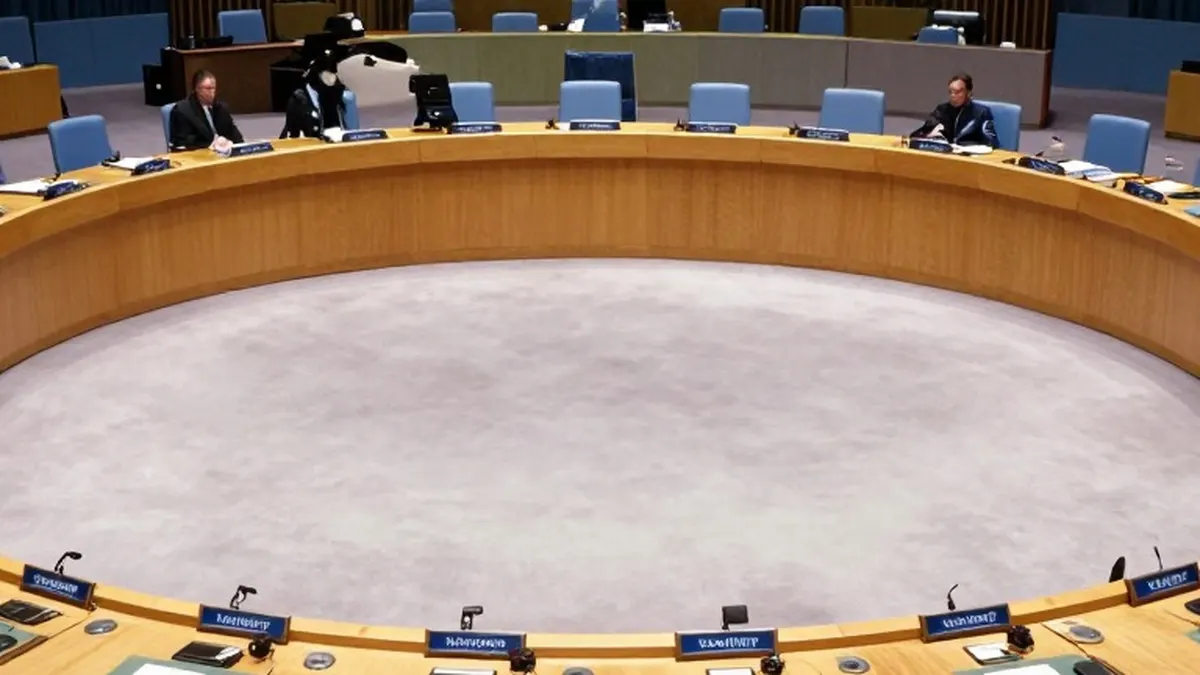
A significant diplomatic confrontation is expected to emerge at the United Nations headquarters in New York this Thursday, where France will formally present its proposal for a new international force. The initiative aims to replace the United Nations Interim Force in Lebanon, known as UNIFIL, whose mandate is set to expire on December 31, 2026. This proposal will be debated during a closed-door session of the UN Security Council, marking a pivotal moment in determining the future security architecture of the region.
The French plan envisions the establishment of a substantial international military coalition. This force would consist of thousands of troops, primarily drawn from France, Italy, and Spain. These European soldiers are intended to operate in close coordination with the Lebanese Armed Forces in southern Lebanon. Additionally, Paris is promoting the deployment of an unarmed international monitoring presence that would take over certain oversight responsibilities currently held by UNIFIL.
Underpinning the French initiative is a strategic desire to preserve Paris’s longstanding influence in Lebanon. France has maintained historical and diplomatic ties with the country for over a century and is determined to retain a prominent role in shaping its security landscape. To achieve this, the French government is seeking a formal mandate from the UN Security Council. Such a mandate would provide an internationally recognized legal framework for the new force and its operational parameters.
In contrast, the United States is advancing a competing vision that calls for a significantly smaller international presence. During a visit to Beirut earlier this week, US Ambassador to the United Nations Mike Waltz discussed the security situation with senior Lebanese officials. Washington’s alternative concept centers on a limited international monitoring mission rather than a large-scale deployment of foreign troops. This approach emphasizes strengthening the responsibility of the Lebanese Armed Forces to maintain security in the area.
The divergence between the two proposals highlights fundamental disagreements over the scope, composition, and authority of any future international presence. While France advocates for a robust military coalition to ensure stability, the US favors a lighter-touch monitoring mechanism. These differing strategies set the stage for complex negotiations over how security arrangements along the Israel-Lebanon border will be managed in the coming years.
The urgency of these discussions is driven by the imminent expiration of UNIFIL’s mandate. With less than six weeks remaining until the end of the current mandate, the question of who will assume responsibility for monitoring southern Lebanon has become a central issue in regional diplomacy. The timing creates a narrow window for agreement before a potential gap in international oversight occurs.
For years, both Israel and the United States have criticized UNIFIL for its perceived failure to prevent Hezbollah from establishing and maintaining a military presence in southern Lebanon. These historical grievances inform the current debates and add weight to the arguments for a more effective security mechanism. The upcoming Security Council meeting is expected to expose these underlying tensions clearly.
Meanwhile, the Lebanese government has expressed a preference for preserving a substantial international presence. Beirut is concerned that the departure of UNIFIL could create a security vacuum along the border with Israel. This concern adds another layer of complexity to the diplomatic discussions, as local stakeholders seek to balance sovereignty with the need for external security guarantees.
The core of the dispute revolves around three fundamental questions that must be resolved: who will monitor the security arrangements in southern Lebanon, under whose authority this monitoring will take place, and what specific forces will be deployed. Thursday’s closed-door discussions are expected to bring these questions to the forefront, as diplomats from France, the United States, and Israel seek to find common ground or delineate their positions more clearly.
As the deadline approaches, the outcome of these negotiations will have lasting implications for the stability of southern Lebanon. The interplay between European military ambitions and American preferences for a smaller footprint will likely define the next chapter in the region’s security dynamics. All parties are now focused on the Security Council proceedings, where the fate of the post-UNIFIL era will be shaped.