FAA pauses router installations after nationwide ground stop
The FAA has paused the installation of new routers following a nationwide ground stop, as the administration seeks billions in funding to modernize air traffic control systems.
By Olga Menon ·
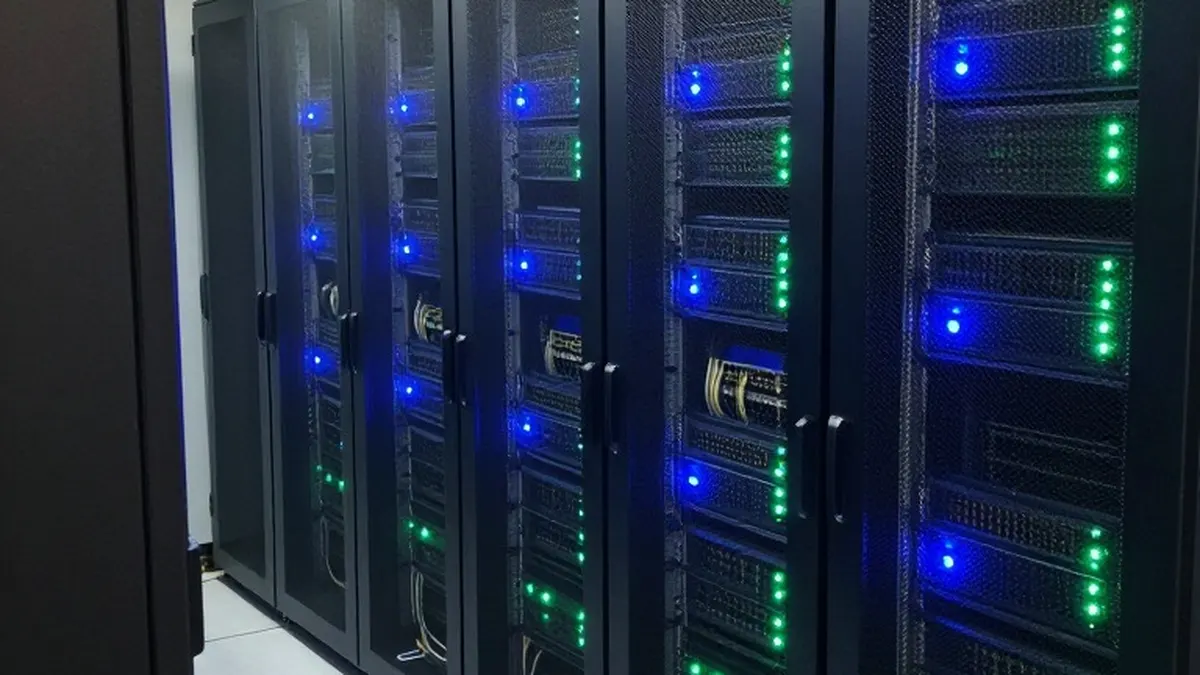
The U.S. Federal Aviation Administration has temporarily halted the installation of new networking equipment linked to the recent nationwide ground stop. Agency officials announced the pause on Tuesday, aiming to identify the root cause of the technical failure that disrupted air travel last Friday. This decision follows a period of intense scrutiny regarding the reliability of the nation's air traffic control infrastructure.
The disruption occurred when technicians connected a new router in El Dorado, Arkansas, to the federal telecommunications network. The system became overwhelmed as the contractor replaced aging copper wires with fiber optic lines. Transportation Secretary Sean Duffy explained that the installation caused intermittent communications and radar signals at 17 of the 22 regional air traffic control centers. A radar site in Amarillo, Texas, which had received a similar update three weeks prior, also contributed to the instability.
According to the FAA, the network experienced a surge of excessive data, with the system receiving 1,000 connection attempts every four to five seconds. This volume created significant instability in aircraft communications and radar feeds. In response, the agency disabled the functionality of all existing units of the same model and paused new installations to prevent further issues.
The equipment at the center of the controversy is manufactured by Juniper, a company owned by Hewlett Packard Enterprise. The maker stated that the routers were functioning correctly according to their configuration when the outage occurred. However, the FAA is currently relying on older Cisco routers, which have been in service for 25 years, to keep the network operational while the investigation continues. The specific routers involved in the incident are now being tested at the headquarters of L3Harris, the contractor responsible for the installation.
President Donald Trump has attributed the chaos to outdated technology and political disagreements, but the modernization challenges have persisted for decades. The Trump administration has recently requested $50.1 billion from Congress to fund comprehensive upgrades. This budget proposal includes $10.1 billion specifically for updating the air traffic control system, alongside funds for airport infrastructure, new control centers, and the refurbishment of up to 140 control towers.
Senate Democrats have urged the administration to provide clear answers about the failure. In a letter to Secretary Duffy, members of the Senate Commerce Committee stated that identifying the specific device is insufficient. They emphasized that the FAA must determine the underlying cause and report on strategies to prevent future meltdowns. The administration's request for funds aims to deliver a system that is safer, faster, and more efficient for the public.
Reactions from lawmakers have been mixed. Senator Ted Cruz, a Republican and chair of the Senate Commerce Committee, expressed skepticism that the full $50 billion would be approved, noting that some components are not directly related to safety. Senator Rick Scott, also a Republican, suggested that the airline industry should contribute to the cost of these upgrades. Secretary Duffy indicated openness to alternative approaches, such as breaking the funding request into smaller, priority-based portions.
The financial impact of the ground stop has been substantial. Analysts from Bernstein estimated that the four largest U.S. airlines lost a combined $345 million due to the outage and the subsequent recovery efforts. These costs include cash refunds, credits, and rebooking options offered to affected passengers. The lost revenue is expected to have a measurable effect on the quarterly earnings of American Airlines, Delta Air Lines, United Airlines, and Southwest Airlines.
Despite the significant costs, analysts noted that ticket demand has not shown signs of weakening. However, they warned that a second outage or a slowdown in bookings before the Thanksgiving holiday could result in even higher expenses for the carriers. The industry remains focused on stabilizing operations and ensuring that the upgraded systems can handle future traffic without similar disruptions.