FA Chair Signs NDA to Inspect FIFA World Cup Sale Papers
Debbie Hewitt visited FIFA headquarters in Zurich to review documents related to the abandoned tournament sell-off, subject to strict nondisclosure terms.
By Olga Menon ·

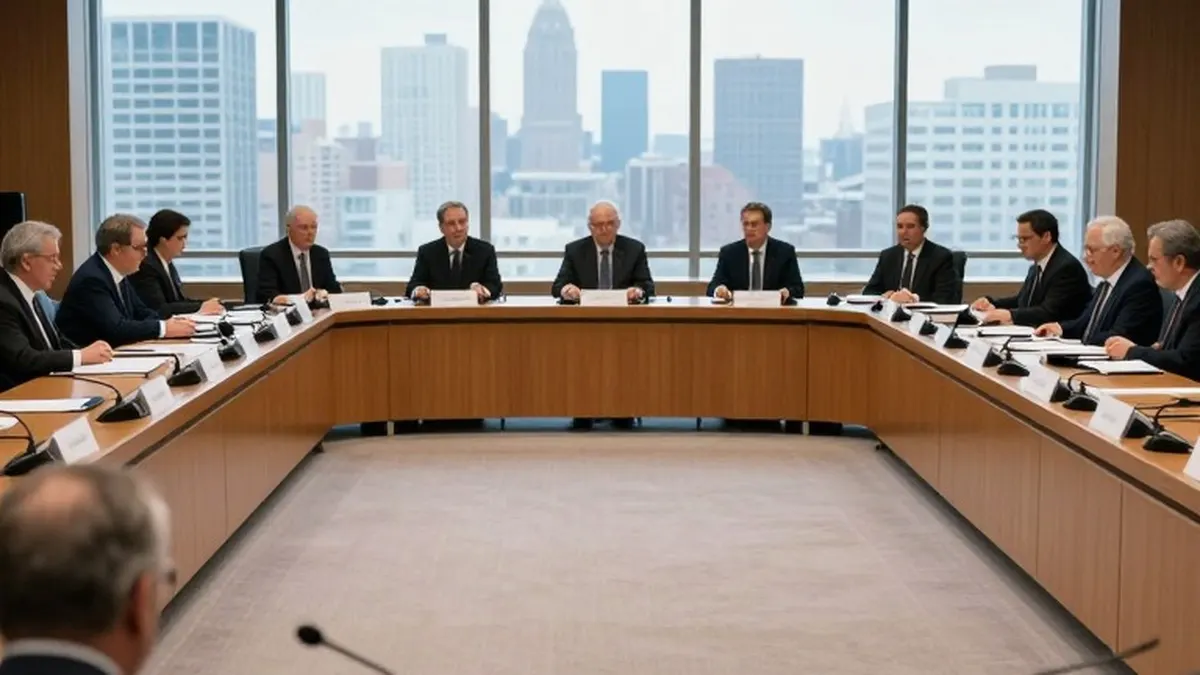
Debbie Hewitt, the chair of the Football Association and a vice president of FIFA, has examined specific documents concerning the abandoned World Cup sell-off scheme. According to new reports, she was required to sign a nondisclosure agreement before being granted access to the evidence. This requirement forms part of the conditions set by the international governing body for its members to view the files related to the controversial proposal.
The inspection took place in person at FIFA headquarters in Zurich. The documents pertain to a $20 billion plan that was ultimately dropped following a significant backlash against President Gianni Infantino’s strategy. The original proposal involved selling shares in FIFA tournaments to private investors. The agreement Hewitt signed prevents her from discussing the specific contents of the materials she reviewed.
Last week, Hewitt raised concerns with FIFA regarding the limitations placed on access to these records. The governing body initially offered only a selection of what it termed key documents, rather than providing the full set of files. This restriction prompted criticism from several European members of the FIFA Council, who questioned the necessity of such measures given their official duties and obligations under FIFA rules and Swiss law.
In a letter sent to FIFA, these council members argued that it was unclear why their rights were being limited in this manner. They emphasized the importance of receiving a clear explanation for the restrictions, noting that their roles required a thorough understanding of the organization’s decisions. The correspondence highlighted the tension between the leadership’s desire for control over the information and the members’ need for transparency.
Separately, new details have emerged regarding the structure of the proposed venture. Reports indicate that FIFA intended to be locked into the partnership for 96 years. This long-term commitment was to be achieved through a series of 12-year rolling agreements. These contracts included clauses allowing for termination if the private investors committed breaches of the agreement terms.
Further revelations show that FIFA was prepared to sell shares in the new for-profit company to sovereign wealth funds. However, the plan excluded other football leagues from purchasing equity in the venture. Additionally, there were strategies in place to float the new company on a stock exchange. A key challenge in this approach was maintaining FIFA’s existing non-for-profit status while engaging in these commercial activities.
The legal and administrative scrutiny of the situation continues to expand. UEFA has initiated legal action in the United States with the aim of obtaining the evidence related to the sell-off. This lawsuit adds another layer to the ongoing dispute over the handling and transparency of the abandoned financial scheme. The outcome of these legal proceedings may provide further clarity on the internal decisions made by FIFA’s leadership.
The incident highlights the complex dynamics within international football governance. As the debate over the sell-off persists, questions remain about how much information is shared with key stakeholders and what legal frameworks govern that disclosure. The involvement of both the FA chair and UEFA in seeking access to these documents underscores the high stakes involved in this episode.