Democrats seize Congress, ending GOP control in historic midterm shift
With control of both the House and Senate, Democrats gain the power to check President Trump as he reshapes his cabinet and faces a new legislative landscape.
By Amit Ricci ·
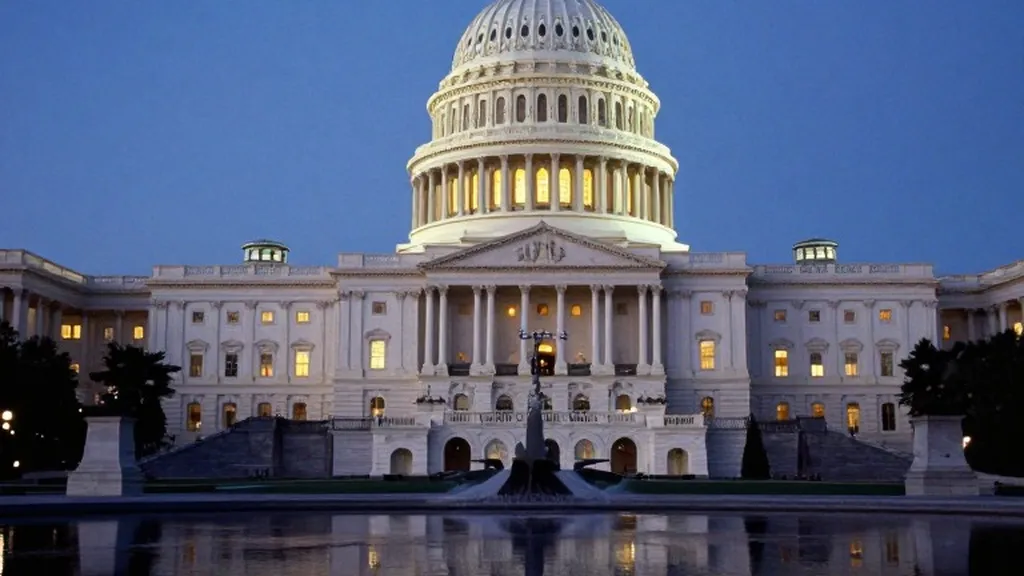
The United States has completed a significant transfer of power in its federal government. Democrats have won majorities in both the U.S. House of Representatives and the U.S. Senate, a result that fundamentally alters the balance of power in Washington. As of the afternoon of November 6, Democrats hold at least a 250-157 majority in the House and a 54-44 majority in the Senate. This outcome marks a decisive shift, as Republicans lost at least 43 House seats and seven Senate seats, all of which were previously held by the Republican Party. For readers outside the United States, this means the legislative branch, which makes laws and controls the federal budget, is now fully controlled by the party opposing the president.
This result is often referred to as a wave election, a term used when the party not in the White House gains a large number of seats. The net loss of seven Senate seats places this election in the top 20% of all election years in terms of seat swings against the president's party. While the House loss of 42 seats is slightly below the threshold for a full wave, the combined control of both chambers gives Democrats substantial leverage. They can now block or modify executive actions, investigate administration officials, and shape the legislative agenda for the next two years. This is particularly notable because the president's party had held control of Congress prior to this election.
The immediate impact of this shift is already visible in the White House administration. President Donald Trump is navigating a period of major transition following the election. He has announced that he is replacing his longtime adviser Susie Wiles with aide Stephen Miller to serve as the next chief of staff. Miller is known for architecting the administration's hard-line immigration policies and is considered a determined figure within the president's inner circle. This change in leadership at the top of the White House staff suggests a potential shift in priorities or tone as the administration prepares to work with a Democratic Congress. The departure of Wiles, who was seen as a tempering force on the president's impulses, signals that the administration is adjusting its strategy in light of the new political reality.
Another notable development involves the role of White House press secretary. President Trump announced on social media that he has offered this position to Dana White, the head of the Ultimate Fighting Championship. Trump described White as a violent fighter and warrior, suggesting he would bring UFC fighters along as assistants to defend the administration against what he called the Lunatic Left. While the White House did not immediately confirm the appointment, White shared the announcement on social media with the caption On to the next chapter. This unconventional choice reflects the administration's attempt to project a strong, combative posture in the face of a hostile legislature. The previous press secretary, Katie Zacharia, left the job after only five days, leaving the position vacant since the end of August.
For international markets and trade partners, the control of Congress by Democrats introduces a new layer of complexity to U.S. foreign policy. The Senate, which must ratify treaties and confirm high-level appointments, is now controlled by the opposition party. This could affect the pace of trade negotiations and the confirmation of ambassadors or trade officials. With Democrats holding the majority, they may push for changes in tariff policies or seek new legislative frameworks for international trade. Allies and partners should expect a more active role from the legislative branch in shaping U.S. economic relations. The House, which has the power of the purse, will also be more influential in determining funding for international aid and military support.
The election results have also affected state-level politics, with Democrats winning a majority of governorships for the first time since before the 2010 elections. As of November 6, Democrats had won 22 of the 36 gubernatorial races, while Republicans had won 12. Five of these governorships changed party control from Republican to Democrat. This shift in state leadership could influence how federal policies are implemented on the ground, as governors often lead state responses to national issues. The Democratic trifecta, where the party holds the governorship and both legislative chambers, was secured in 20 states, up from previous numbers. This broadens the geographic spread of Democratic power and creates more unified state governments that can coordinate with the federal Democrats.
In the Senate, the loss of seven seats represents a significant setback for the Republican Party. The party's net loss puts this year’s elections in the top 20% of election years in terms of seat swings against a president’s party. This threshold is what analysts define as a wave election. The U.S. House has not yet reached that specific mark, but the combined losses in both chambers indicate a strong mandate for change. The new Senate majority will likely focus on oversight of the executive branch, including investigations into administration actions and potential legislation to check presidential powers. This dynamic is crucial for the Iran war and other foreign policy issues, as the Senate will play a key role in authorizing military actions and funding defense initiatives.
The administration is also dealing with legal challenges that may be affected by the new political climate. A federal judge in Washington has appointed a former U.S. attorney to investigate whether the government misled the court in a lawsuit challenging the renovation of the East Potomac Golf Course. This case has become a symbol of tensions between the executive and judicial branches. With a Democratic Congress, there may be increased scrutiny of executive actions and legal strategies. The judge, Ana Reyes, expressed concerns about the government's conduct during the case, which involves the closure of a historic public golf course for a major construction project. This legal battle highlights the ongoing friction between the administration and the courts, a dynamic that will likely continue under a divided government.