Canadian ICC judge denounces U.S. sanctions as an attack on global justice
Kimberly Prost, a Winnipeg-born judge at the International Criminal Court, says Trump administration sanctions against her have upended daily life and undermine accountability for atrocity crimes.
By Ricardo Brooks ·
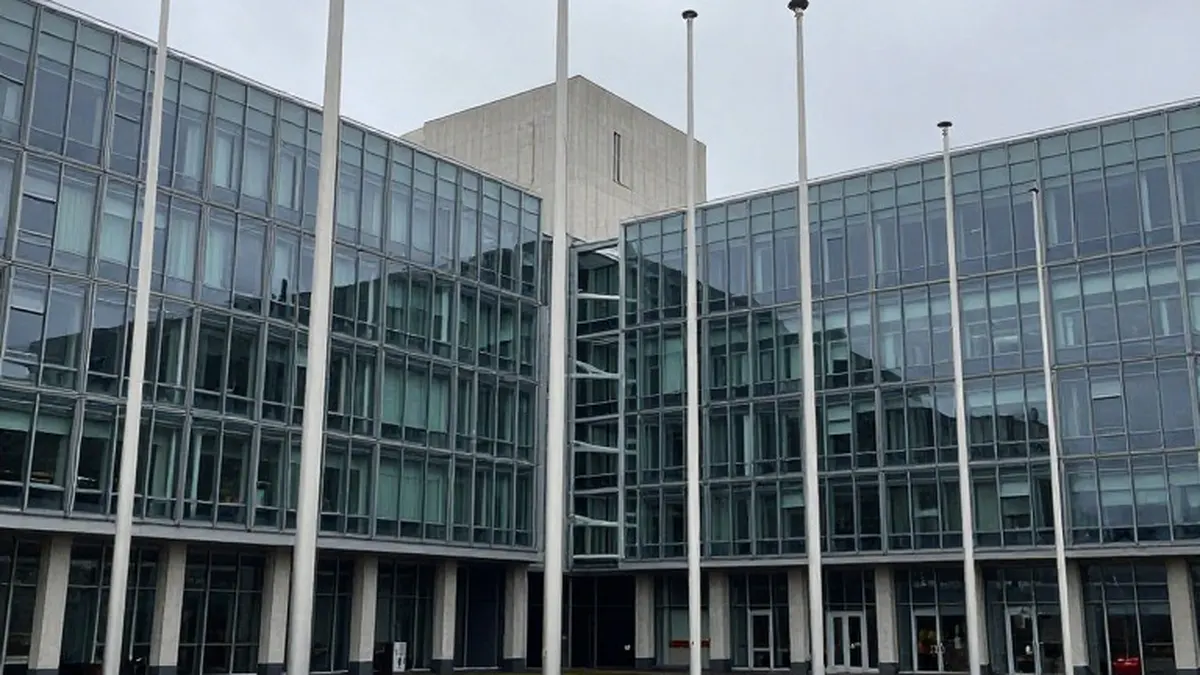
A Canadian judge at the International Criminal Court says American sanctions imposed on her and other court officials have upended her daily life and amount to a wider assault on the system of international justice built since the Second World War.
Kimberly Prost, who was born in Winnipeg and serves at the court in The Hague, was sanctioned by the Trump administration in August 2025. She said the impact was immediate: her credit cards were cancelled and her access to banking services was hindered, a consequence of the reach of the United States over the global banking system.
"These economic sanctions are not symbolic in any way," Prost said in an interview with CBC News. "Every time literally I go to make a bank transfer, I hold my breath because I don't know if it's going to work." Ordering a car, booking a hotel or buying a theatre ticket all require a credit card, she said, leaving her "struggling to adjust."
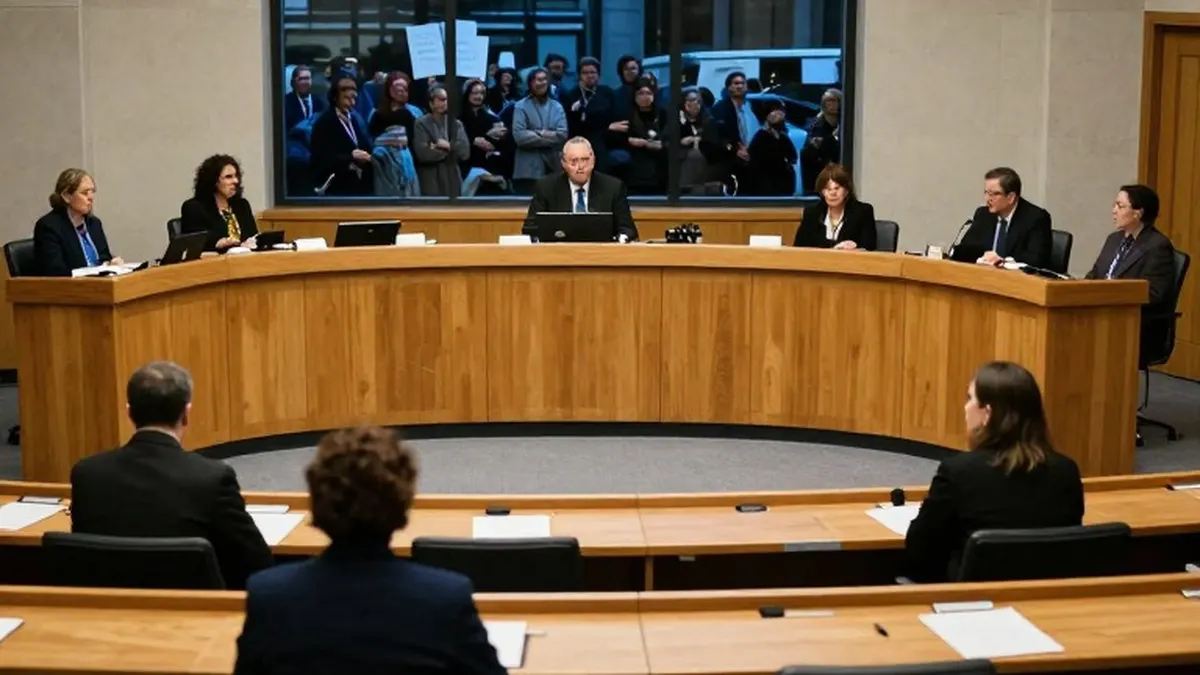
The ICC investigates and prosecutes individuals accused of genocide, war crimes and crimes against humanity when courts in its 125 member states, including Canada, are unwilling or unable to act. The United States has never been a member of the court.
The measures against Prost are part of a broader campaign against the court that began in earnest after a February 2025 executive order imposed sanctions over investigations of American personnel and the issuing of arrest warrants for Israeli Prime Minister Benjamin Netanyahu and his former defence minister, Yoav Gallant. In a Sept. 22 speech to the UN General Assembly, President Donald Trump called on member states to immediately "resign from this rogue institution," and last month Secretary of State Marco Rubio threatened to dismantle the ICC "brick by brick" if allies do not rein it in.
Prost said such actions target the rule of law itself. "It is an attack that foresees a world where victims of atrocity crimes are forgotten. And it is an attack in favour of impunity and ending accountability for these crimes. That's the only way it can be framed."
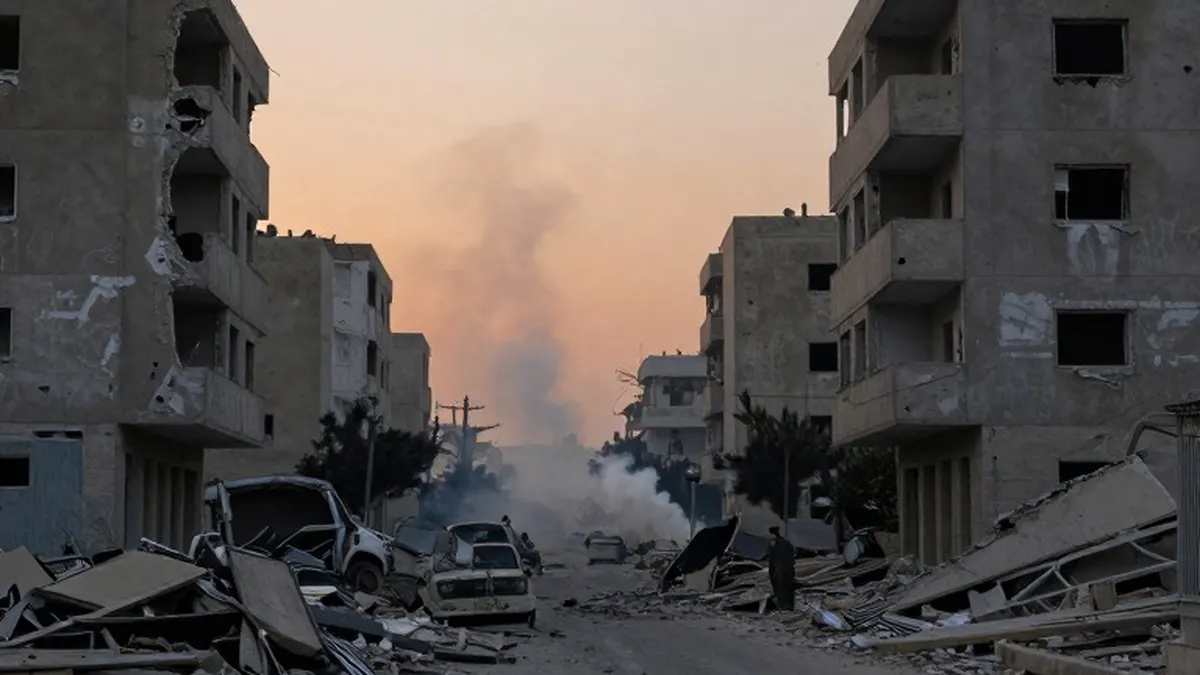
Prost was singled out for her role in judicially authorizing a March 2020 preliminary investigation into alleged war crimes in Afghanistan dating to 2003, including by U.S. service members. She noted the probe has deprioritized the American role since 2021, focusing instead on the Afghan government and Taliban forces. "To my knowledge, there's no active investigation of the Americans in that case, but I'm sanctioned."
Washington has long argued its citizens could face prosecution. President George W. Bush called that prospect "very troubling to me" a day after the court was inaugurated in 2002, and Rubio has warned that American border patrol agents, marines and prosecutors could end up "at the mercy of foreign judges." Prost called those arguments misleading, saying the ICC would have "no jurisdiction" if the United States conducted genuine investigations or prosecutions of its own when allegations arise.
Prost and two other ICC judges sued the Trump administration in June, arguing the sanctions are "designed to exert extra-judicial pressure" and push judges to put private interests ahead of the law and facts. In July, four former U.S. ambassadors and prosecutors of international criminal tribunals filed a brief supporting the judges, saying the sanctions "penalize independent judicial decision-making." Canada has not intervened in the lawsuit, but Foreign Minister Anita Anand told CBC News in September that Canada "remains committed to the ICC process" and that respect for international law is a fundamental principle of its foreign policy.
In October, the United States allowed the ICC to access certain information technology and banking services for six months, with the State Department saying the pause would let member states show "meaningful progress" on American concerns. Prost warned that losing those systems could have a "very crippling effect" on the court, and called the current moment "critically important" for member states to defend it. "It's their court. It's not the prosecutors' court, not the judges' court. It's the states' court, and they have to protect it." She described the efforts to intimidate judges as "futile," vowing that they will keep deciding cases on the facts, the law and the evidence, objectively and independently.