Campus groups shift focus from midterms to lease protections and local voting drives
Student leaders at the University of Minnesota report that political activity is moving from ballot boxes to housing rights and municipal engagement as the midterm season winds down.
By Ricardo Brooks ·
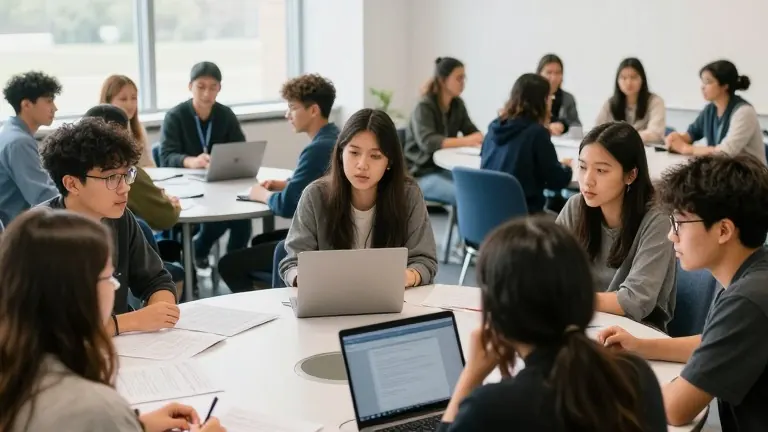
Student political groups at the University of Minnesota are pivoting their efforts away from the recent midterm elections and toward housing protections and local civic participation. Undergraduate Student Government Speaker Noah Woolford said the organization is currently prioritizing neighborhood trust fund programs for Marshall Homes and Commonwealth. His team is working to secure protected lease agreements for students in those developments. This work follows a similar forum on renters’ rights that USG hosted last year.
Woolford joined the group after watching colleagues relay budget updates from the Board of Regents. He wanted to understand how his lease would be protected for the coming academic year. The group also credits its recent Voter Palooza event with helping Minneapolis set a record for early voter turnout. Woolford believes this surge puts the university on track to become the most civically engaged campus in the Big Ten conference.
The push for engagement extends beyond the nonpartisan USG. Claire Ehlers-Nelson, a junior strategic communications major and social media director for the College Democrats Club, organizes regular gatherings for students to discuss politics. She said these sessions allow participants to share opinions over food without formal structure. The club was founded in 2024 and has since built ties with the local Democratic-Farmer-Labor Party. Members volunteer on DFL campaigns and host candidates for local and state positions, including city and county attorneys and the secretary of state.
The University’s College Republicans Club, which has a long history on campus, is currently inactive. The group’s registration has expired, and officials did not respond to interview requests for this report. This shift in activity mirrors a trend seen in other student organizations across the country.
Zoë Williamson Cretini, the associate digital communications director for the Students Learn Students Vote Coalition, said her organization works with faculty to integrate voter education into daily classroom dialogue. The coalition was founded in 2016 and operates as a bipartisan national network. According to a 2025 report, the group has reached campuses in every U.S. state. It raised and distributed more than $4 million to promote student engagement during that period.
Cretini said the coalition treats political participation as a necessity rather than a preference. She encourages students to engage through protests, op-eds, or city council testimonies. This approach aligns with the University’s internal efforts to keep student voices active in local policy discussions beyond the general election cycle.