Katz Warns Iran Is Developing Chemical Weapons Amidst Rising Tensions
Israel's caretaker defense minister asserts that Tehran is advancing its chemical arsenal, sparking debate over the timing of a potential third military campaign.
By Ricardo Brooks ·
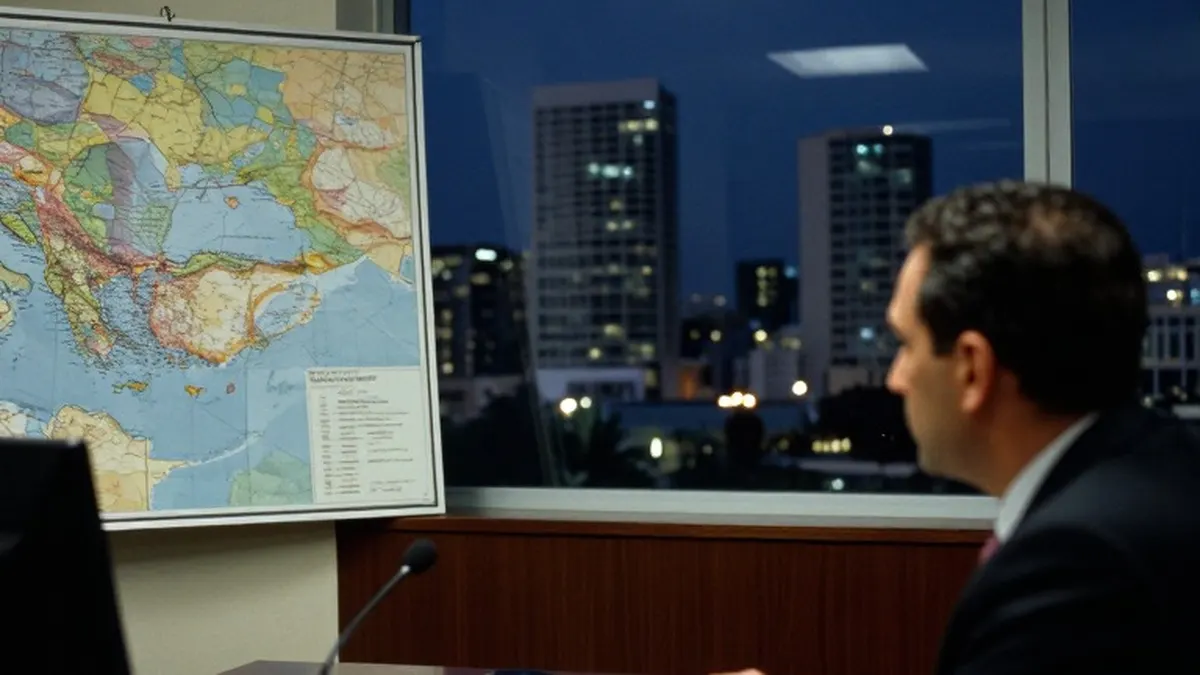
Israel’s caretaker Defense Minister Israel Katz stated on Tuesday that Iran has made the strategic decision to develop chemical weapons following the joint US-Israeli military campaign against the Islamic Republic in 2026. Speaking to reporters in his Tel Aviv office, Katz confirmed that Tehran is currently in the process of building this capability, although he declined to specify the program's current stage or its location.
The minister pledged that Israel will not permit Iran to acquire a chemical weapon. He suggested that the move is a reaction to the 2026 campaign, noting that after the April ceasefire, Iranian forces emerged from tunnels and assessed the damage. Katz argued that Iran is seeking a weapon that provides a sense of balance against Israel. This warning comes as Israel reportedly shared intelligence with the United States and Gulf nations earlier this month, indicating that Iran is considering using chemical weapons against them.
Tehran has denied these claims, with its Foreign Ministry describing the reports as fraudulent and accusing Washington of constructing a weak case for prolonging the war. Katz’s comments have intensified a politicized debate in both the US and Israel regarding the urgency of the Iranian threat and whether the allies should launch a third joint war against the Islamic Republic.
According to Hebrew media, Mossad researchers recently assessed that there is no immediate need for military action. However, Mossad chief Roman Gofman, who previously served as Prime Minister Benjamin Netanyahu’s military secretary, has been advocating for renewed strikes. IDF Chief of Staff Lt. Gen. Eyal Zamir and Yashar party leader Gadi Eisenkot have also indicated that there is no rush to attack. Netanyahu has responded by accusing his political rivals of minimizing the threat for political gain, describing the danger as immediate and severe.
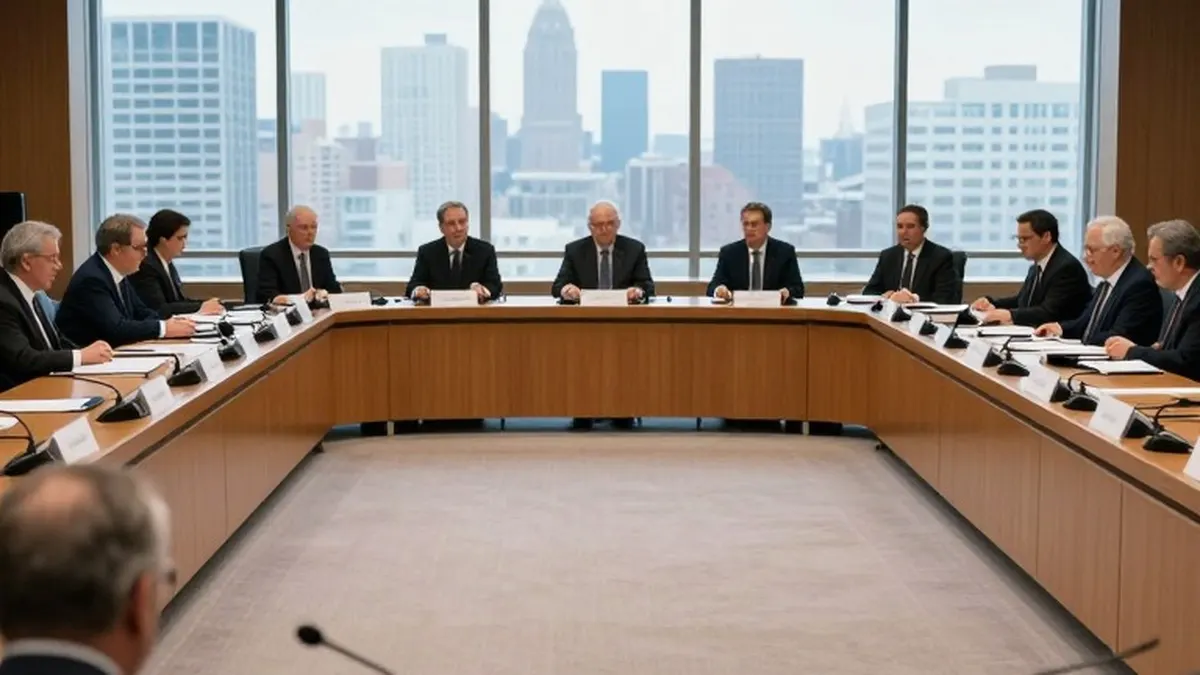
Katz insisted that there is no disagreement between himself, the prime minister, and the chief of staff. He stated that the IDF and US Central Command are ready to attack together, with operational plans already in place. He added that the final decision will rest with US President Donald Trump, who said earlier this week he is inclined to launch another offensive if a deal is not reached by the new year. Israel’s preference, Katz stressed, is to coordinate with US Central Command.
The announcement caused friction within the coalition. Yisrael Beytenu party leader Avigdor Liberman addressed the chemical threat on Monday, calling it serious but arguing it does not justify independent action without American participation. He warned that a cabinet decision to strike solely for political interests would be a manifestly illegal order. Katz blasted Liberman’s remarks as a disgraceful provocation and denied reports that Netanyahu had pushed for a pre-election strike that was rebuffed by Trump, claiming instead that the American president initiated that discussion.
Despite the focus on chemical weapons, Katz said the nuclear issue remains Israel’s top priority. He noted that Israel has not yet conducted widespread strikes on Iran’s energy infrastructure, arguing that hitting these targets would set the country back by decades and accelerate the regime’s collapse. He stated that the Mossad is leading the plan to topple the government, while also warning that Iran is prepared for a surprise attack and is working to assassinate Trump, his family, and Netanyahu.
Katz also pledged that Israel will remain in buffer zones in Lebanon, Gaza, and Syria captured after the October 7, 2023, Hamas invasion. He expressed skepticism about US-backed diplomatic processes, calling the Lebanese Armed Forces efforts to confiscate Hezbollah weapons a fiction. Regarding Syria, Katz described ruler Ahmed Al-Sharaa as a clever enemy building capabilities with Turkish support. While Sharaa has expressed moderate views and indicated that lasting peace is possible, Katz maintained that a security deal is not feasible because Sharaa wants a withdrawal rather than a peace agreement.